
Sewer Smell In Your Home? Sunshine Coast Plumber Explains The Causes And Fixes
That sudden sewer smell in your home is more than just annoying. It almost always means sewer gas is escaping from your drains through a dry trap, blockage, vent fault or damaged pipe. At low levels that gas is usually a comfort and hygiene issue, but if it builds up or is left for weeks it can irritate airways and, in rare cases, become unsafe in enclosed spaces.
The good news is that most sewer odours come from fixable plumbing problems, not from the whole sewer network failing. A licensed Sunshine Coast plumber can track the smell back to its source, check for issues like hydrogen sulphide gas in home air, and repair any damage before it turns into a bigger mess.
This guide explains the main causes, health risks, simple checks, and when to call a specialist such as MJP Plumbing, your local Sunshine Coast plumbing expert in sewer smell diagnosis, blocked drains, venting issues, leak detection and wastewater system repairs.
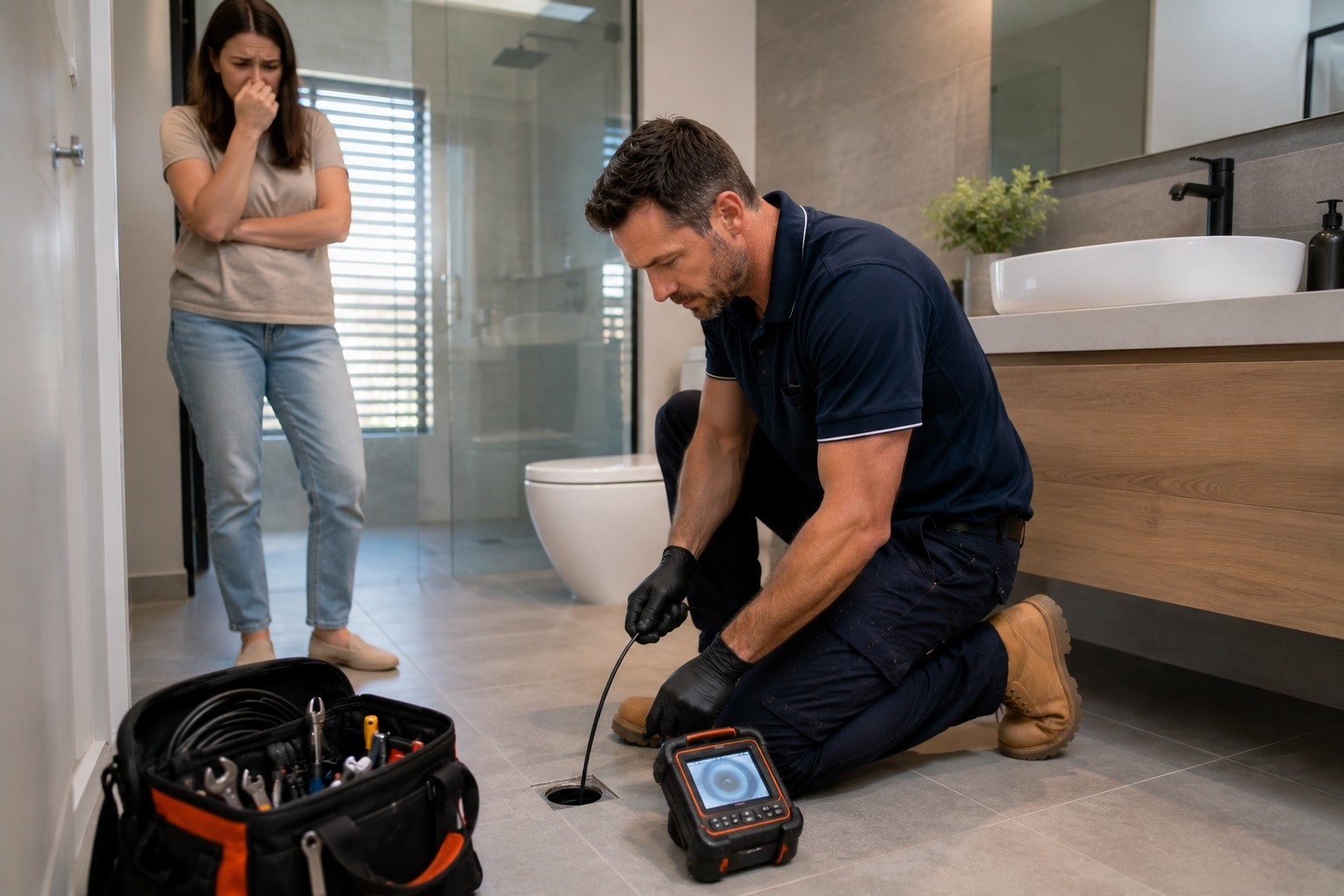
So if you are wondering “why does my house smell like sewage?”, keep reading. The next sections walk through likely causes, room by room and problem by problem, with clear steps for homeowners, tenants, landlords and property managers.
Quick Answer
A sewer smell in your home almost always means sewer gas is leaking from the plumbing where it should be sealed in. In Sunshine Coast houses this usually comes from:
-
Dry P traps and floor wastes
-
Smelly drains from food, fat or hair build up
-
Blocked sewer lines
-
Plumbing vent issues
-
Cracked or damaged sewer pipes under slabs or in yards
Sometimes the fix is simple, such as running water into a dry floor waste in a spare bathroom. Other times the smell points to a serious blockage or damaged pipe that needs CCTV inspection and repair. According to the Australian Building Codes Board, plumbing standards exist mainly to keep sewage gas out of living areas, so any ongoing odour suggests something has failed.
A local plumber such as MJP Plumbing can quickly tell the difference between a minor trap issue and sewer gas in home air from a deeper fault. That saves time, protects health and helps avoid messy back ups.
Typical Sewer Smell Scenarios On The Sunshine Coast
Sewer smell patterns give strong hints about the cause:
-
Only in one bathroom: Often a dry floor waste, loose toilet pan or blocked bathroom branch line.
-
Strongest near the kitchen sink: Fat and food build up in the waste pipe are common.
-
Whole-house sewage odour: Often a main drain blockage, overflow relief gully (ORG) problem outside, or faults around a septic system on acreage blocks.
-
After rain or king tides in low-lying areas like Maroochydore or Birtinya: Often linked to backflow, saturated ground and cracked pipes.
-
Holiday homes or rarely used ensuites across Caloundra, Kawana and Coolum: Dry traps from evaporation are common.
Sharing these patterns with MJP Plumbing helps narrow the search very quickly.
Key Takeaways
-
Sewer smell in your home usually means sewer gas is escaping from the drainage system. Dry traps, blockages, vent faults and cracked pipes are the main culprits. Treat any new or persistent odour as a warning that needs attention.
-
Low level sewer gas smell in house air is mainly an odour and comfort problem, but it can still aggravate asthma and headaches. Strong sudden smells, especially with visible sewage, can be unsafe and should be treated as urgent.
-
Simple checks help before you grab the phone. Run water into rarely used drains, clear visible hair from grates and locate your overflow relief gully outside. Often this gives your plumber helpful clues even if it does not remove the smell.
-
Call a Sunshine Coast plumber straight away if there is a whole-house smell, sewage backing up into showers or yards, or sewer smell after rain in a low-lying property. Minimise water use and keep people away from any contaminated areas until help arrives.
-
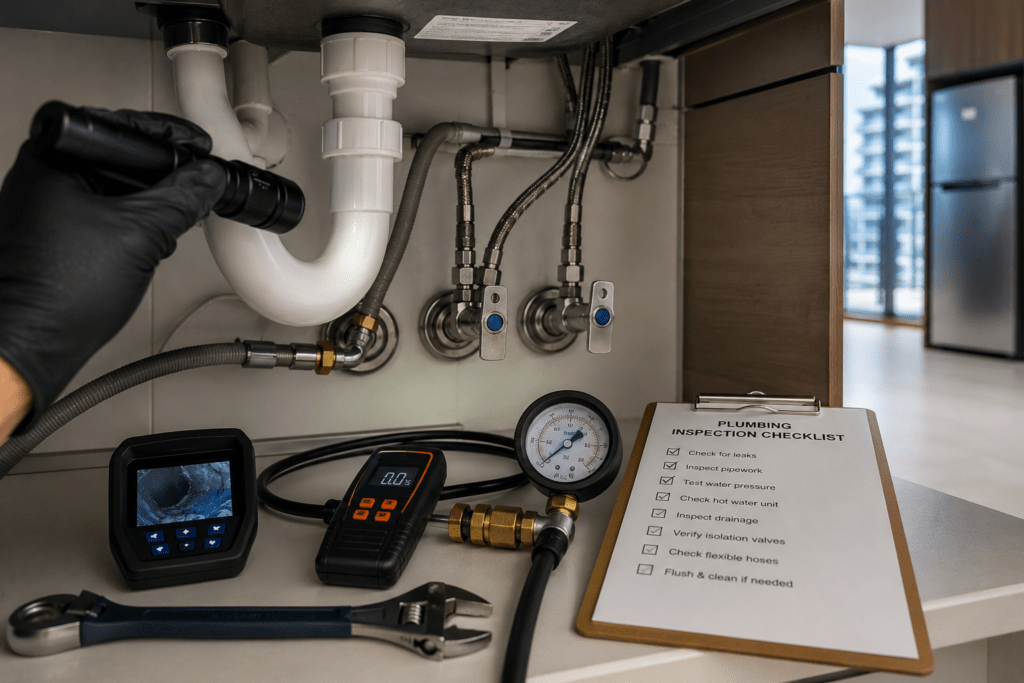
MJP Plumbing usually combines a site walk-through, trap and toilet checks, CCTV drain cameras and high-pressure jetting to find and fix the source. Repairs follow the Plumbing Code of Australia and Sunshine Coast Council rules so the odour does not return.
Why Does My House Smell Like Sewage?
When your house smells like sewage, the most likely cause is sewer gas leaking from somewhere it should not. Sewer gas forms as wastewater breaks down inside sewers and includes hydrogen sulphide, methane, ammonia and other compounds, as outlined in research on indoor odor pollution sources. It normally stays inside pipes and vents, so you never notice it.
In a healthy system:
-
Water traps under basins, showers, baths and toilets block gas from flowing back into rooms.
-
Vents on the roof release pressure so drains stay balanced.
If a trap dries out, cracks, is poorly installed, or is siphoned empty by bad venting, gas can pass straight into the room.
According to the World Health Organization, people spend around 90 percent of their time inside buildings, so indoor odours matter. If you can smell sewage gas in living areas, something in the way your wastewater plumbing is built or maintained has failed and needs checking.
The usual suspects are:
-
Dry or poorly built traps
-
Partial blockages
-
Faulty or missing vents
-
Poor workmanship
-
Cracked or displaced sewer pipes
How Sewer Gas Normally Stays Out Of Your Home
Sewer gas is normally kept out of your home by two key features:
-
Traps (P traps or S traps)
-
Every fixture that connects to the sewer should have a trap holding a small pool of water.
-
That water sits between the room and the pipework and acts like a plug that stops gas moving upward.
-
-
Vent stacks
-
Vents run from the drains up through the roof so air can enter and leave the system.
-
When toilets flush or baths empty, the vent allows pressure to equalise and keeps water sitting in each trap.
-
Australian Standards such as AS/NZS 3500 set clear rules for trap depths, vent sizes and locations so sewer gas smell does not enter living spaces. If you smell sewage indoors, either a trap has lost its water seal or the pipework is no longer fully sealed.
Sunshine Coast Conditions That Make Sewer Smells More Likely
Local Sunshine Coast conditions can make sewer smell in house situations more common:
-
Heavy rainfall and storms can overload council systems and soak the ground around damaged private pipes. This can push gas back through cracks and faulty ORGs in suburbs like Nambour and Buderim.
-
Tree roots in established areas such as Caloundra, Wurtulla and Mountain Creek often find tiny gaps in older clay or PVC lines, then expand and break joints apart.
-
Along the coastal strip from Kawana to Mooloolaba, sandy soils and ground movement can let pipes sag or crack under driveways and slabs.
-
Warm, humid conditions dry out rarely used traps faster, especially in holiday rentals and Airbnb-style properties across Coolum and Maroochydore.
All of these factors can turn a small defect into a noticeable sewer smell in house rooms.
Is Sewer Gas Dangerous?
Sewer gas in house air is usually more of a comfort and hygiene problem than an immediate life-threatening hazard, but it still deserves respect. At low levels, the rotten egg smell mostly comes from hydrogen sulphide and can make people feel unwell if it hangs around, with aromatic volatile organic compounds also contributing to indoor air quality concerns. In very high concentrations or tight spaces, the mix of hydrogen sulphide and methane can be dangerous for both health and fire safety.
According to Safe Work Australia, the workplace exposure standard for hydrogen sulphide is 10 parts per million over an eight-hour day. Normal domestic odours are well below that, but they still signal that something in the plumbing is not right. People with asthma, young children and older residents can be more sensitive to even mild sewer smell in home areas.
So while an occasional whiff near a floor waste might not be an emergency, persistent odours or strong sudden smells need fast attention. A licensed plumber such as MJP Plumbing can check whether the issue is simple or points to a bigger risk.
Health And Safety Risks Of Sewer Smell In Your Home
Health and safety risks from sewer smell in your home depend on how strong and persistent the odour is. Hydrogen sulphide gives off the classic rotten egg smell and at low levels can cause:
-
Headaches
-
Nausea
-
Eye, nose or throat irritation
Higher levels in confined areas can affect breathing or even knock people unconscious, which is why pits and tanks are treated as dangerous confined spaces.
Moisture leaks that go with odours often encourage mould and pests in bathrooms, laundries and under sinks. The CSIRO links damp indoor environments with increased respiratory issues, so leaving sewer leaks untreated is not wise. Only trained workers with gas monitors and safety gear should enter spaces like sewer pump pits, under-building areas or tanks where sewer gas can collect.
“Any persistent sewage odour indoors is telling you something is wrong. Treat it as a symptom, not a smell you just put up with.” – MJP Plumbing
When To Treat A Sewer Smell As An Emergency
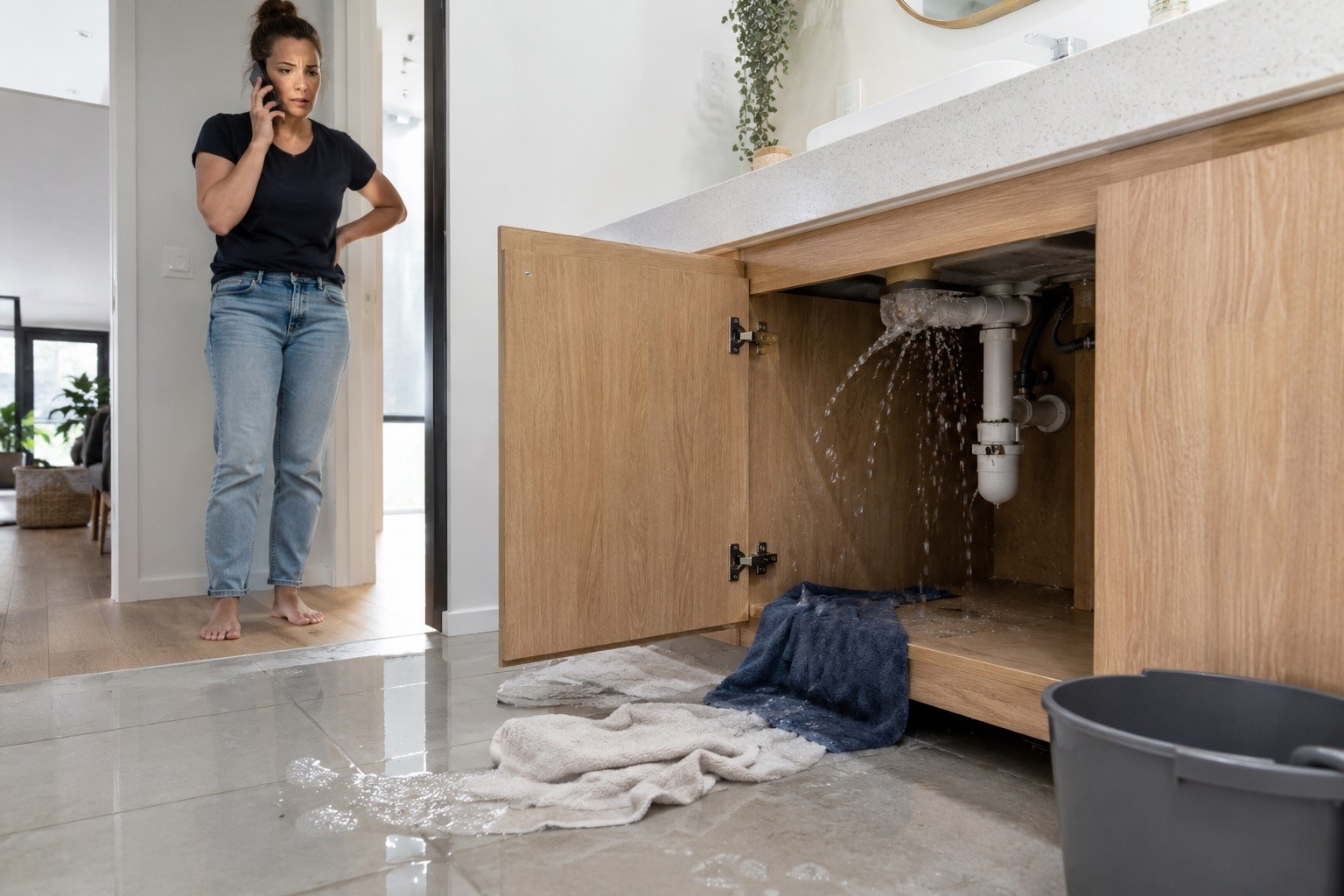
Treat a sewer smell as an emergency when the odour is strong, sudden or combined with visible sewage. Call an emergency plumber straight away if:
-
The whole home suddenly smells
-
Toilets, showers or floor wastes start backing up
-
You see sewage surfacing around your ORG, driveway or yard
-
You notice odour and pooling water after heavy rain in low-lying areas
Low-lying homes near creeks or canals around Birtinya, Warana and Mooloolaba are especially at risk when king tides or storms hit. In these cases, MJP Plumbing offers prompt response so damage and health risks stay as low as possible.
The Most Common Causes Of Sewer Smells
The most common causes of sewer smell in your home fall into a few clear groups. Dry traps, blocked drains, vent problems, cracked pipes, toilet seal faults and septic system issues explain most sewage smells Sunshine Coast plumbers see. There are also external causes such as overflow relief gully troubles and damaged inspection openings.
Knowing which group your issue sits in helps your plumber decide where to start. That means less guesswork, less time on site and a faster fix. For example, a single bad drain smell often points to a local trap or blockage, while a whole-of-house smell suggests main sewer or vent problems.
Overview Of Main Sewer Smell Sources
A quick way to see the main causes is to compare the usual symptoms.
| Likely Cause | Typical Clues | Where You Notice It |
|---|---|---|
| Dry floor waste or unused trap | Rotten egg drain odour, improves after running water | Guest ensuite, holiday home |
| Blocked or partially blocked drain | Slow drains, gurgling, intermittent odour | Kitchen, bathroom, laundry |
| Vent problem | Traps sucked dry, loud gurgling, smells after flushing | Bathrooms, upper storeys |
| Cracked or displaced pipe | Yard smells, odour near walls, damp patches | Gardens, under slabs, subfloors |
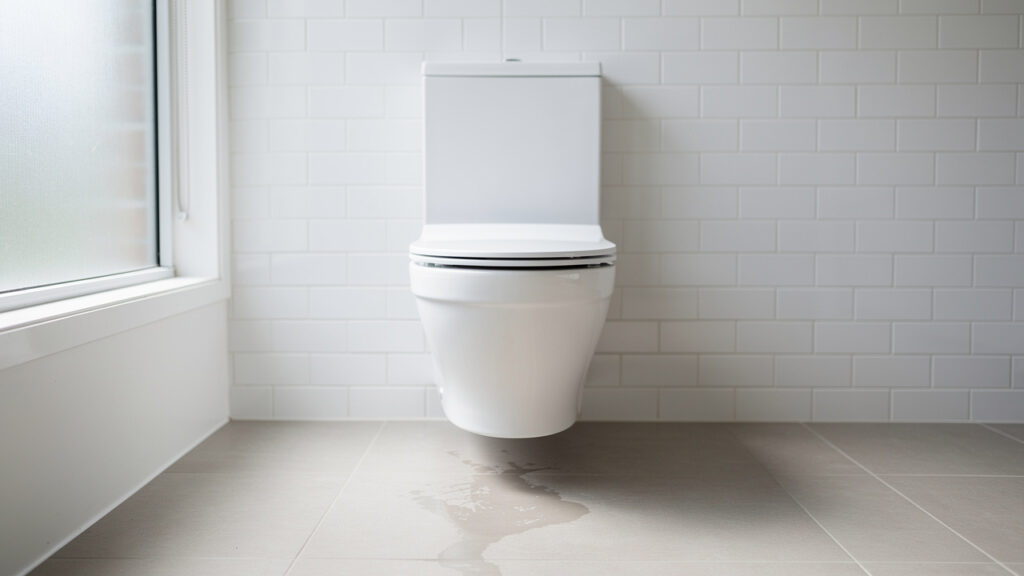
| Toilet seal issue | Smell at floor level, rocking pan, staining | Around one toilet |
| Septic or onsite system fault | Yard odour, lush patches, slow fixtures inside | Acreage and semi-rural blocks |
| ORG or external drainage problem | Smell near house wall, overflow outside during blockage | Around gully at side of house |
How Odour Patterns Point To Different Problems
Odour patterns help your plumber quickly narrow down sewage smell in house causes:
-
One ensuite or basin only: Often a dry trap, hair build up or a loose waste seal.
-
Several bathrooms at once: May point to a vent fault or a partial blockage in the common line.
-
Smell after showers or washing machine cycles: Higher flows may be pushing gas through weak spots or partial blockages.
-
Odours after heavy rain or hot, humid evenings: Can reflect back pressure in the sewer network or very dry traps.
When you call MJP Plumbing, describing these timing and location patterns helps them decide whether to start with CCTV, jetting, vent checks or trap inspections.
Dry Floor Wastes And Unused Drains
Dry floor wastes and unused drains are one of the simplest and most common reasons for sewer smell in bathroom or laundry spaces. Every trap relies on a small pool of water to block gas. When that water evaporates, gas from the main sewer can move straight into the room.
This issue is very common in guest ensuites, extra toilets, laundries and holiday houses across the Sunshine Coast. It often appears after warm weather or long periods when no one has used the fixtures.
How Dry Traps Cause Sewer Smell In Your Bathroom Or Laundry
Floor wastes, showers, baths and basins all rely on traps hidden under the grate or inside the fixture. In a busy family bathroom, water is always flowing through, so the trap stays full. In a little-used bathroom or laundry, the water slowly evaporates until the trap runs dry.
Signs of a dry P trap smell include:
-
A drain that smells like sewage
-
Insects appearing from the grate
-
Odour that disappears for a while after you run water
Sunshine Coast heat and humidity speed up evaporation, especially in closed houses or apartments where air does not move much. If the same trap dries out again quickly, it can hint at poor venting or a cracked trap.
Simple Steps To Fix Or Prevent Dry P Trap Smell
You can often fix a dry trap by simply refilling it:
-
Run taps and showers for 30–60 seconds in every basin, shower and bath.
-
Pour a bucket of clean water into each floor waste, including the laundry and garage, then note whether the smell fades.
For holiday rentals and investment properties across Caloundra, Kawana and Buderim:
-
Build a routine where someone flushes toilets and runs water in all fixtures before guests arrive.
-
Property managers can add this to their entry and exit inspections.
If a particular drain keeps drying out or still smells after refilling, it may be time for MJP Plumbing to check for incorrect trap setup, vent problems or damage.
Blocked Or Damaged Sewer Pipes
Blocked or damaged sewer pipes are another major cause of sewer gas in house rooms. When solids or tree roots partly block a pipe, wastewater slows down and gas builds up behind the restriction, a process studied in research on operating conditions affecting odorous gas emissions from wastewater systems. That pressure then finds the weakest point to escape, which might be a floor waste, toilet, overflow relief gully or cracked joint underground.
Sydney Water reports that many blockages involve wipes and other non-flushables, rather than just toilet paper. On the Sunshine Coast, plumbers also see plenty of fat, oil and grease from kitchens and tree root intrusion in older suburbs.
Signs Your Sewer Or Drain Pipes May Be Blocked
Signs of blocked drains Sunshine Coast homes often share are easy to spot:
-
Sinks, showers or baths draining slowly, with water pooling
-
Gurgling sounds when a toilet flushes or when the washing machine empties
-
Water rising in a nearby floor waste when another fixture is used
-
Sewer smell after rain, when extra water loads the system
Common local causes include tree roots in older clay lines, fat build up in kitchen drains and wipes or nappies flushed down toilets.
How A Sunshine Coast Plumber Fixes Blocked Or Cracked Pipes
A Sunshine Coast plumber such as MJP Plumbing usually:
-
Carries out a visual inspection of internal and external fixtures.
-
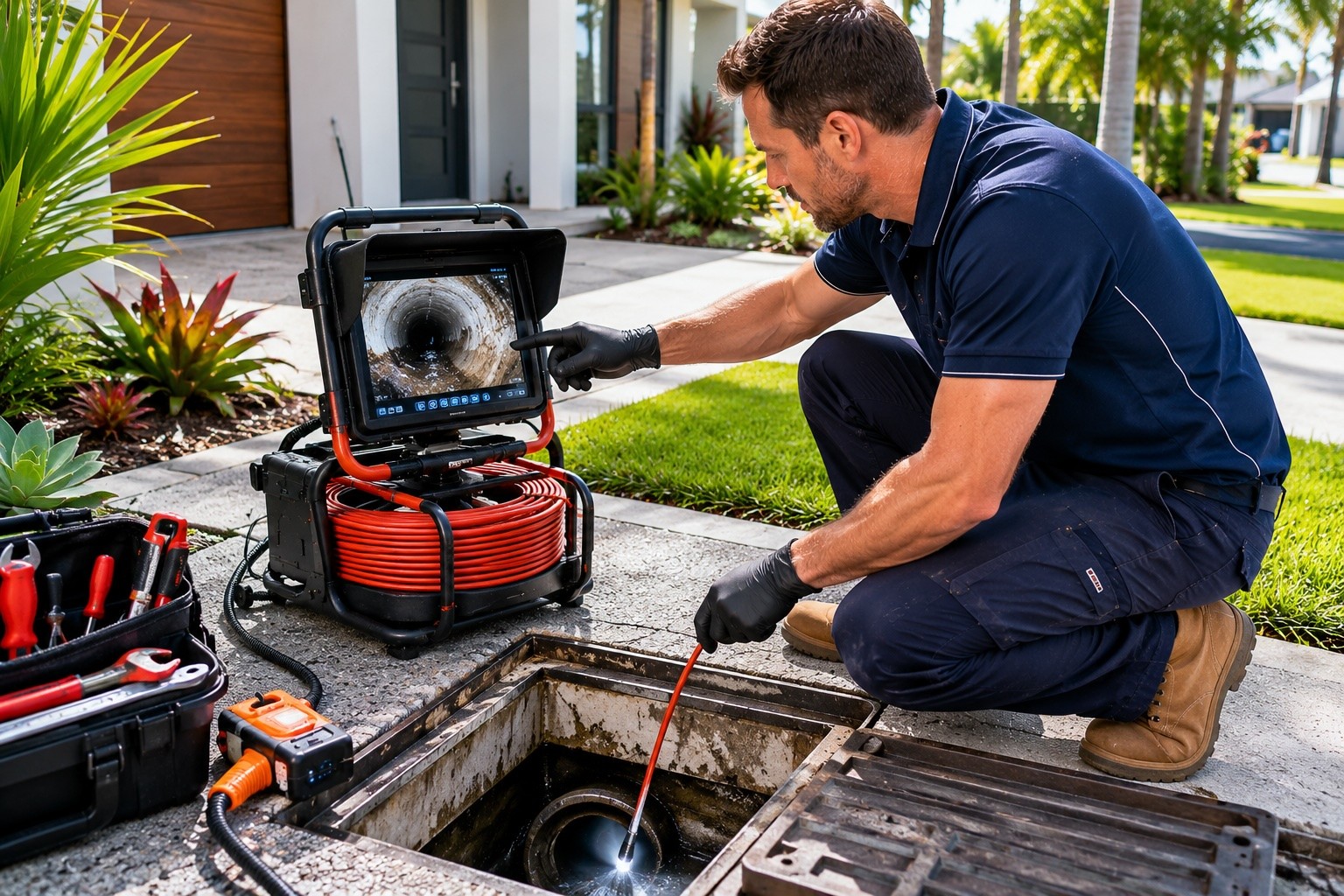
Uses CCTV drain cameras to see inside the pipes and locate roots, fat or broken sections.
-
Clears obstructions with high-pressure water jetters, which remove roots, fat build up and other debris far more effectively than plungers or chemicals.
If CCTV shows cracks, collapsed sections or repeated root intrusion, MJP Plumbing can plan targeted repairs or drainage modifications. According to the Water Services Association of Australia, tree roots are one of the leading causes of sewer blockages in older suburbs, so early repair prevents repeat problems.
Chemical drain cleaners are not recommended because they can:
-
Damage pipes
-
Create fumes
-
Rarely provide a lasting result
Plumbing Vent Problems
Plumbing vent problems are another frequent reason for sewer smell in house areas, especially bathrooms and multi-storey homes. Vents keep air pressure in the drainage system balanced so water stays sitting in every trap, and research on dispersion modeling of odor emissions from wastewater sources shows how uncontrolled gas release quickly affects surrounding environments. When vents are blocked, missing or damaged, traps can be sucked dry or gas can leak into roof spaces and then rooms.
On the Sunshine Coast, salty air can corrode older metal vents, while leaves and bird nests clog terminals. DIY renovations sometimes ignore venting entirely, which causes odour and gurgling later.
Common Vent Issues That Cause Sewer Smell In House
Common vent issues appear in a few familiar ways:
-
Roof vents clogged with leaves, birds’ nests or rust, stopping air from moving through the stack
-
Vents cut too low or too close to windows, so odour drifts straight back in when the wind changes
-
Missing vents where extra bathrooms or granny flats were added without revising the original design
-
Cracked vent pipes leaking gas into roof spaces, which then finds its way into bedrooms or hallways
Symptoms include loud gurgling, traps that are sucked dry and smells that show up when another fixture is used.
How Plumbers Diagnose And Fix Venting Problems
To diagnose vent problems, plumbers such as MJP Plumbing typically:
-
Inspect roof vents, visible stacks and any vents that run through walls
-
Use smoke testing to see where vapour escapes from unsealed joints or broken sections
-
Use CCTV or small inspection cameras to find hidden breaks
Repairs often involve:
-
Clearing blockages
-
Replacing corroded parts
-
Adding new vents so the system meets AS/NZS 3500 and Sunshine Coast Council rules
Once the venting is correct, traps keep their water seals and sewer smells usually disappear.
Cracked Pipes And Hidden Leaks
Cracked pipes and hidden leaks can let sewage and gas escape into soil, subfloors and wall cavities. Over time this can cause both odours and structural damage. On the Sunshine Coast, ground movement, sandy soils, heavy vehicles on shallow pipes and tree roots all add stress to underground drainage.
Because these leaks are out of sight, homeowners often only notice a faint sewage smell near certain walls, corners or garden beds. Left unchecked, the problem can widen and even affect building foundations.
How Hidden Leaks Let Sewer Gas Into Your Home
Hidden leaks often start where pipes run under slabs, driveways or gardens. Small cracks or displaced joints let wastewater seep into surrounding soil. Gas produced as that waste breaks down can then travel through gaps in the ground, up pipe penetrations or even through hairline cracks in concrete, a phenomenon linked to methane production mechanisms in sewers that make hidden leaks particularly hazardous.
You might notice odours strongest:
-
In one corner of a room
-
Near an external wall
-
In a downstairs area even though no fixtures are there
In some cases there may be damp patches, staining or lush patches in lawns above the damaged pipe. These clues suggest it is time for a licensed plumber to investigate.
Professional Leak Detection And Repair On The Sunshine Coast
MJP Plumbing uses non-invasive leak detection tools to track down hidden sewer pipe problems:
-
CCTV cameras run through inspection openings to show cracks, displaced joints and intruding roots.
-
Acoustic listening gear and, in some cases, thermal imaging help pinpoint leaks without tearing up entire floors.
Once the fault is found, repairs may include:
-
Targeted excavation and pipe replacement
-
New inspection points
-
Drainage upgrades to better suit local soil and ground conditions
All work is carried out to Australian Standards, with compliance documentation where required, so future owners and insurers can see the issue has been properly fixed.
Sewer Smells Coming From Bathrooms, Kitchens Or Laundry Areas
Sewer smells coming from bathrooms, kitchens or laundries usually relate to the specific fixtures in those rooms. Toilets, floor wastes, basins and showers dominate in bathrooms, while kitchens and laundries add dishwashers, standpipes and appliance hoses. Each has common failure points that can produce sewer gas smell.
Room-based patterns help a Sunshine Coast plumber decide where to start testing and help separate simple cleaning issues from genuine drainage faults.
Bathroom And Ensuite Sewer Smells
Bathroom and ensuite sewer smells often start with dry floor wastes or rarely used showers, especially in guest bathrooms. The rotten egg smell in house air from these drains often fades for a while if you run the shower or pour water into the waste. Hair and soap scum in basin traps can also rot and smell.
Toilets add extra risks:
-
A loose pan
-
A worn pan collar seal
-
Low water level in the bowl
All can let sewer gas escape at floor level. Strong exhaust fans sometimes create negative pressure and pull gas past weak seals.
If running water and cleaning traps do not help, have MJP Plumbing check and possibly reset the toilet pan and seals, and confirm that venting is correct.
Kitchen And Laundry Drain Odours
Kitchen and laundry drain odours often relate to what goes down those fixtures each day:
-
Kitchen sinks handle fat, oil, food scraps and coffee grounds that can stick to pipe walls and break down.
-
Dishwashers connected without correct loops or standpipes can leave dirty water sitting in hoses, which then smells.
-
In laundries, standpipes and floor wastes can clog with lint and detergent or dry out between uses.
-
Under-sink leaks can keep cabinets damp, encouraging mould that mixes with sewer odour.
Simple habits help:
-
Scraping plates to the bin
-
Using sink strainers
-
Cleaning visible traps and checking for leaks
Repeated smells, slow drains or water backing up usually mean there is a deeper drainage or vent issue that needs a plumber.
Why Sewer Smells Sometimes Appear At Night Or After Rain
Sewer smells that appear at night or after rain often confuse people, but timing patterns make sense once you know how drains work. Weather, water use and air movement all influence where gas goes. Underlying defects stay the same, yet certain conditions make odours much more noticeable.
Recognising these patterns helps Sunshine Coast plumbers link your experience to faults around overflow relief gullies, vents, backflow or saturated ground.
Sewer Smell After Rain, Storms Or King Tides
Sewer smell after rain, storms or king tides is common in low-lying or flood-prone areas. Heavy rain can:
-
Overload council sewer mains
-
Saturate soil around any damaged private pipes
-
Push gas back through cracks, ORGs or inspection openings
If your overflow relief gully is:
-
Buried
-
Concreted over
-
Set too high
Sewage may back up inside instead of spilling outside. Septic tanks and onsite treatment systems can also struggle when trenches are soaked, causing odours across lawns and outdoor living areas. Any sewage smell near gardens, driveways or external walls after rain deserves prompt investigation.
Sewer Smell At Night Or At Certain Times Of Day
Sewer smell at night or at certain times of day often links to how and when water is used:
-
Morning showers, toilet flushes and washing loads push lots of water through the system at once, which can pressurise drains and vents. If there are weak points, gas may escape during those peak periods.
-
At night, cooler still air can trap odours close to windows, especially in valleys or near waterways.
-
Exhaust fans and air conditioning can change pressure and draw gas from small leaks into rooms.
Keeping a simple log of when smells appear and fade gives useful clues to share with MJP Plumbing.
What You Can Check Yourself
There are several safe things you can check yourself before calling a plumber about sewer smell in your home. Simple steps may clear minor odours or, at the very least, give your plumber better information. Just avoid anything that involves climbing on roofs, entering pits or dismantling hidden pipework.
If smells last more than a couple of days after these checks, or if you see any sign of sewage or leaks, it is time to stop DIY.
Safe DIY Checks For Sewer Smell In House
You can:
-
Walk slowly around your property and note:
-
Which rooms smell
-
Which drains seem worst
-
Whether there is any odour outside near walls or garden beds
-
-
Try to spot patterns with showers, toilet use or rain.
-
Run water into every basin, shower, bath and floor waste for 30–60 seconds.
-
Flush each toilet and see whether any smell improves.
-
Clear visible hair and debris from shower grates and kitchen strainers.
-
Gently rock each toilet pan to check for movement and look for staining around the base.
-
Outside, find your overflow relief gully and make sure it is visible, not buried under soil, gravel or pavers.
When To Stop DIY And Call A Sunshine Coast Plumber
Stop DIY and call a Sunshine Coast plumber when:
-
Smells keep returning
-
More than one drain is slow
-
You see water backing up or sewage outside
Avoid:
-
Blocking vents
-
Pouring repeated chemical drain cleaners
-
Trying to modify pipes yourself
These steps often make problems worse.
Benefits of calling MJP Plumbing early include access to CCTV cameras, jetting gear and local knowledge of Sunshine Coast soils, stormwater systems and tree conditions. Getting the cause diagnosed properly protects your home from bigger damage and keeps repairs compliant with Queensland regulations.
When To Call A Professional Plumber
You should call a professional plumber when sewer smell in your home is persistent, widespread or linked to leaks, back ups or health concerns. At that point the problem is unlikely to be just a dry trap and more likely to involve blockages, vent faults or damaged pipes.
MJP Plumbing brings over a decade of Sunshine Coast experience plus advanced diagnostic tools to these jobs. That combination allows accurate sewer smell diagnosis without unnecessary digging.
What A Sewer Smell Investigation Usually Involves
A typical investigation includes:
-
Initial chat
-
When the smell began
-
Where it is strongest
-
Whether it changes with rain or water use
-
-
Internal checks
-
All fixtures, traps and toilet seals
-
Signs of leaks around basins, showers and baths
-
-
External checks
-
ORGs, inspection openings and visible vents
-
Yard, garden beds and external walls for odour and damp patches
-
-
-
Looking for roots, fat build ups, collapses or poorly joined fittings
-
-
High-pressure water jetting
-
Clearing any blockages found
-
Re-checking with cameras to confirm the pipe is clean and intact
-
If leaks or structural issues are present, you receive a clear plan that may include localised repairs, relining or drainage changes.
Why Sunshine Coast Homeowners Choose MJP Plumbing
Many Sunshine Coast homeowners, builders and property managers choose MJP Plumbing because of:
-
Local knowledge of blocked drains Sunshine Coast, ageing pipework and coastal conditions
-
Experience across suburbs including Warana, Kawana, Buddina, Bokarina, Wurtulla, Mooloolaba, Caloundra, Maroochydore, Buderim, Sippy Downs, Nambour, Mountain Creek, Birtinya and Coolum
-
Services covering:
-
Blocked drains and CCTV pipe investigation
-
Stormwater and sewer repairs
-
Renovation plumbing and wastewater system repairs
-
MJP Plumbing focuses on clear communication, compliance with Australian Standards and building long-term relationships, so clients know who to call whenever plumbing or hot water issues appear.
FAQs
Question: Why does my house suddenly smell like sewage at night?
The house can suddenly smell like sewage at night because cooler still air holds odours and pressure changes push gas through weak points. Evening showers and toilet use may also stress vents and traps. If the smell is regular, log the timing, try refilling traps, then call a plumber to check vents and drains.
Question: How do I get rid of sewer smell in my bathroom permanently?
You get rid of sewer smell in your bathroom permanently by fixing the root cause, not just masking it with sprays. That means sorting dry traps, clearing blockages, resealing or resetting toilets and checking venting. Regular use and cleaning of drains helps, but persistent odours need a licensed plumber to run CCTV, check seals and confirm the system is sound.
Question: Can sewer gas in home make you sick?
Sewer gas in home air can make some people feel sick, especially those with asthma or existing breathing issues. Short-term exposure may cause headaches, nausea or eye and throat irritation. Very high levels in confined spaces can be dangerous, although this is rare in normal homes. Any ongoing odour should be checked by a licensed plumber, and strong sudden smells treated as urgent.
Question: Why does my drain smell like sewage only after I use the washing machine or shower?
A drain may smell like sewage only after the washing machine or shower because high flows pressurise the pipes. Gas can then escape through partial blockages, weak seals or traps that are being siphoned out. Repeated smells after these fixtures run suggest shared waste line or plumbing vent issues, which are best assessed by a plumber.
Question: Is a rotten egg smell in house always a sewer problem?
A rotten egg smell in house air is often sewer-related hydrogen sulphide, but it can also signal a gas leak. Gas suppliers add a similar odour so leaks are easy to notice. If you suspect gas, ventilate the area, avoid flames or switches and call a licensed gas fitter. MJP Plumbing provides gas leak detection and Certificates of Compliance for repairs.
Question: How often should septic tanks and onsite systems be checked to avoid sewage smells?
Septic tanks and onsite systems should be checked and pumped according to local advice, often every three to five years for typical households. Signs that servicing is due include sewer odours around the yard, lush wet patches over trenches and slow drains inside. Licensed plumbers and septic service companies can set an appropriate schedule for your property and keep records for council and resale.
Conclusion
Sewer smell in your home almost always points to an underlying plumbing or drainage issue that needs attention, not just air freshener. Dry traps, blockages, vent faults and cracked pipes are all common across Sunshine Coast properties, especially with local rain, tree roots, sandy soils and ageing pipework. Simple checks such as running water in unused traps are a smart first step, but they are not a long-term fix for persistent or widespread odours.
MJP Plumbing brings local experience, CCTV cameras, high-pressure jetting and leak detection tools to find and repair the real cause. From blocked drains, vent problems and leak detection to damaged sewer lines and septic issues, repairs are carried out to Australian Standards so smells do not keep coming back.
If sewer odours are affecting your home, investment property or managed portfolio in suburbs like Maroochydore, Buderim, Caloundra, Kawana, Mooloolaba or Nambour, help is close by. Call MJP Plumbing on 0428 146 437 or enquire through the website for fast, professional sewer smell diagnosis and repair across the Sunshine Coast.