
When your hot water suddenly stops working, it brings your household to a grinding halt. From chilly showers to cold dishes, dealing with a lack of hot water is frustrating and inconvenient. To troubleshoot the issue, first check if the problem affects one tap or the whole house. Next, verify your power or gas supply, making sure no circuit breakers have tripped or gas bottles are empty.
Depending on your system, you may need to check the reset button on an electric unit or the pilot light on a gas heater. This guide offers Sunshine Coast homeowners, landlords, tenants, renovators, and property managers a practical, step-by-step troubleshooting checklist to identify common issues and determine when it’s time to call in the professionals.
Read on to learn how to diagnose your hot water problem safely.
Key Takeaways
-
Quickly check the problem’s scope: Is it one tap or the whole house?
-
Familiarise yourself with your hot water system type (electric, gas, heat pump).
-
Prioritise safety: Know when to stop troubleshooting and call a licensed plumber.
-
Regular maintenance helps prevent breakdowns and extends your system’s lifespan.
-
MJP Plumbing offers swift, expert hot water repairs across the Sunshine Coast.
Jump to section
- What Should I Check First If There’s No Hot Water In The House?
- Why Is My Electric Hot Water System Not Heating Up?
- What Are The Common Issues With Gas Hot Water Systems?
- Are There Other Common Reasons For No Hot Water?
- When Should I Stop Troubleshooting And Call A Plumber On The Sunshine Coast?
- Choosing MJP Plumbing For Your Hot Water Needs
- Get Your Hot Water Flowing Again With MJP Plumbing
- Frequently Asked Questions
What Should I Check First If There’s No Hot Water In The House?
When you discover there is no hot water in the house, a few initial checks can help you quickly narrow down the cause. These first steps are safe for anyone to perform and don’t require technical skills, but they provide valuable information about whether you have a minor hiccup or a major system failure. Before inspecting any electrical or gas components, it’s about understanding the scope of the outage.
The most important first step is to determine if the hot water outage is affecting your entire property or is just an isolated incident at a single tap. This simple test helps distinguish between a problem with the main hot water unit and a localised plumbing issue. Safety is paramount, so these initial checks focus on observation rather than intervention, to help you gather clues without putting yourself at risk.
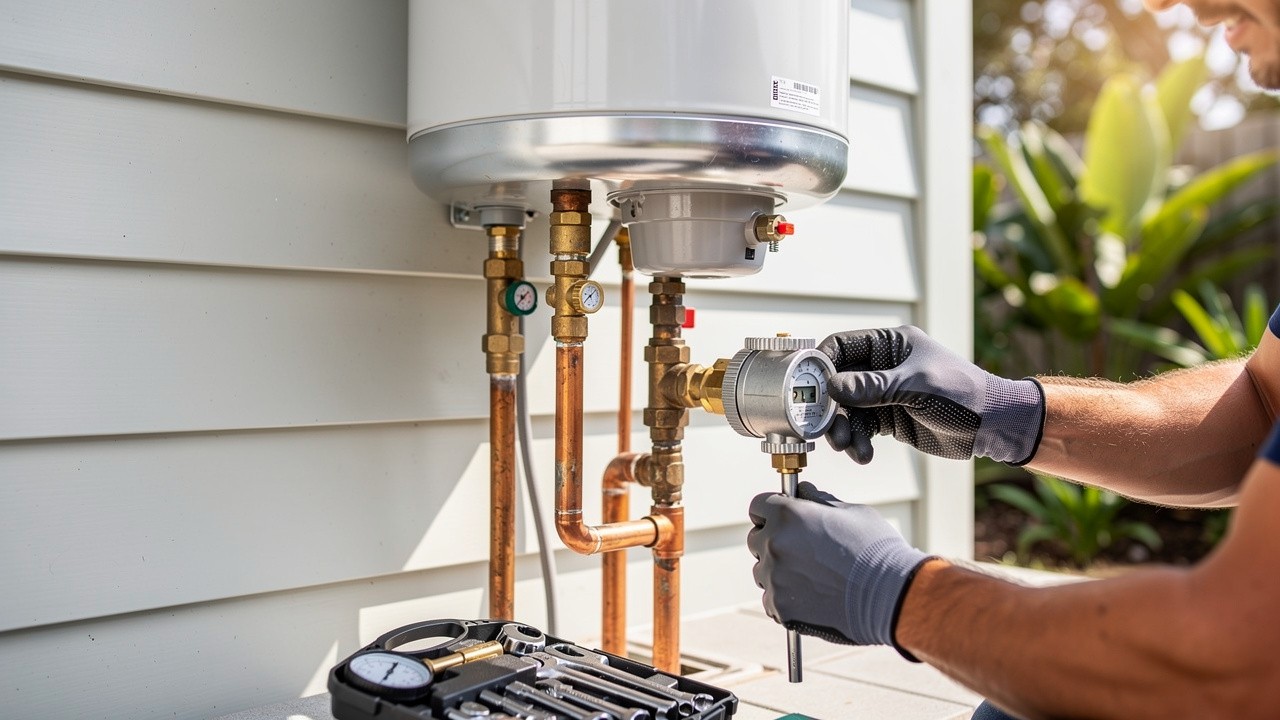
Safe Troubleshooting Checklist
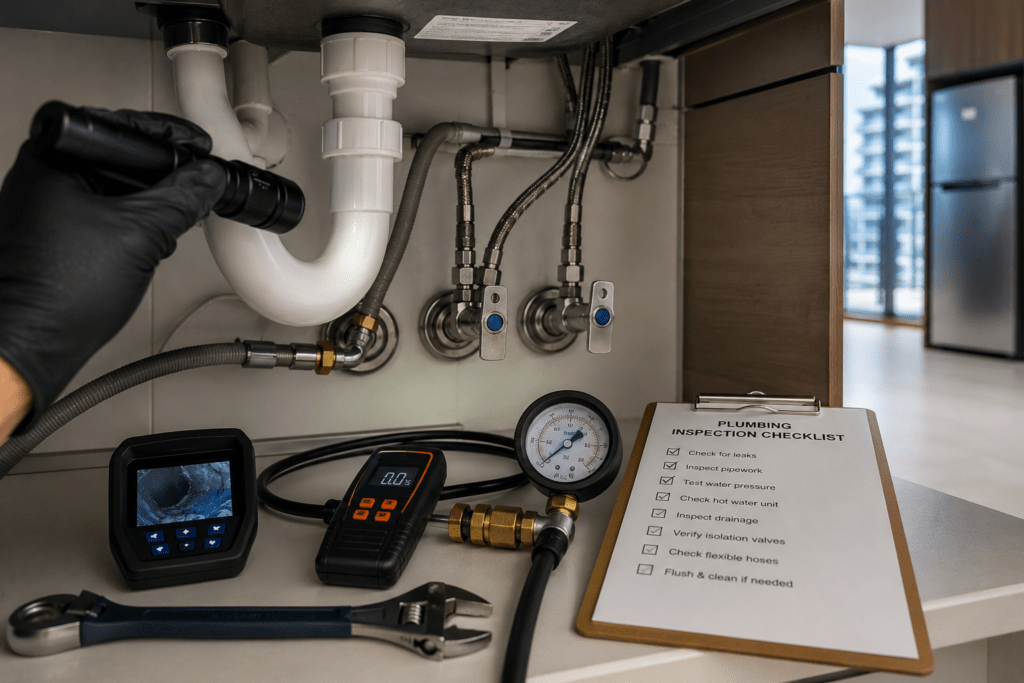
Here’s a quick checklist to help you identify common hot water issues safely:
-
Check All Taps: Does the lack of hot water affect one tap or every hot tap in the house? This helps determine if the issue is localised or systemic.
-
Power Supply (Electric Systems): Head to your main switchboard and check for tripped circuit breakers or safety switches (RCDs) related to your hot water system.
-
Gas Supply (Gas Systems): Verify your gas bottles aren’t empty (LPG) or that the main gas valve at the meter is open (natural gas). Check other gas appliances like your cooktop.
-
Pilot Light (Gas Systems): If safe to do so, check if the pilot light on your gas hot water heater is lit. Follow the relighting instructions if available.
-
Reset Button (Electric Systems): For electric tanks, if safe, turn off power at the switchboard, then check for a reset button on the unit (often behind an access panel).
-
Leaks: Visually inspect your hot water system and surrounding area for any signs of water leaks or pooling.
-
System Age: Consider how old your hot water system is. Older units are more prone to failure.
-
Water Pressure: Is the hot water pressure lower than usual at all taps?
-
System Noises: Listen for any unusual sounds like banging, rumbling, or whistling coming from the tank.
-
When to Stop: If you smell gas, see a significant leak, or if electrical components trip repeatedly, stop troubleshooting immediately and call a licensed plumber.
Is The Problem Affecting All Taps Or Just One?
To see if the issue is with the whole system, test multiple hot water taps around your home, including the kitchen, bathroom sink, shower, and laundry. If you get cold water from every hot tap, the problem most likely lies with your main hot water system. This points towards a failure in the heating mechanism, a power or gas supply interruption, or a complete unit breakdown. For those on the Sunshine Coast with family homes or rental properties, this comprehensive check is often the first step before contacting a professional.
However, if you find that only one tap is failing to produce hot water while others work perfectly, the issue is localised. This could indicate a faulty tap mixer, a blocked aerator in the tap itself, or an issue with the specific pipe leading to that fixture. In some cases, a tempering valve problem can also affect a single bathroom, causing water to come out lukewarm or cold from just one outlet. A tempering valve mixes hot and cold water to ensure a safe, consistent temperature, especially important for preventing scalding in homes with young children, as outlined in the design guidelines for social housing. For tenants in rental properties, checking if neighbours are experiencing a similar outage can help determine if the problem is building-wide before contacting your property manager.
Have You Checked Your Power Or Gas Supply?
One of the most common reasons for a water heater not working is a simple loss of power or gas. For electric hot water systems, head to your main switchboard and check if any circuit breakers or safety switches (RCDs) have tripped. A switch in the ‘off’ position is a clear sign; this can happen due to a power surge, especially during Sunshine Coast storms, or a fault within the system itself. You can try resetting a tripped breaker once, but if it trips again immediately, leave it off and call a professional.
For those with gas hot water systems, the first thing to check is your gas supply. If you use LPG bottles, make sure they aren’t empty. For homes with natural gas, verify that the main gas valve at the meter is in the ‘on’ position. A disruption in the gas supply will affect all gas appliances, so checking your cooktop or other gas appliances can be a quick confirmation. Never attempt to fix anything yourself if you suspect a gas leak; turn off the supply at the main valve and contact a licensed gas fitter immediately.
Why Is My Electric Hot Water System Not Heating Up?
If you’ve confirmed your power supply is active but your electric hot water system is still not heating, the fault likely lies within the unit itself. Electric systems contain several key components that can fail over time, leading to a complete loss of hot water. Understanding these parts can help you communicate the problem more clearly when you call for professional water heater repair.
The two most common culprits inside an electric water heater are the thermostat and the heating element. These parts work together to heat and maintain the water temperature inside the tank. A failure in either one can leave you with lukewarm water or no hot water at all. While some basic checks are possible, diagnosing and replacing these parts requires electrical expertise.
Have You Checked The Reset Button And Thermostat?
Many electric hot water storage tanks are equipped with a high-temperature cutout reset button. This safety feature trips if the water inside the tank overheats, shutting off power to the unit. The reset button is usually located behind a removable access panel on the side of the tank. Before attempting to check it, you must turn off the power to the hot water system at the switchboard for safety.
Once the power is off, you can remove the panel and press the small button, which may be red. If it clicks, it has been reset. A tripped reset button can indicate an underlying issue, such as a faulty thermostat. The thermostat is the component that regulates the water temperature, and if it fails, it can either cause the system to overheat or fail to heat the water at all. Beyond pressing the reset button, any further investigation of the thermostat involves high voltage and should only be handled by a licensed plumber.
What If The Heating Element Is Faulty?
The heating element is the workhorse of your electric hot water system; it’s a component submerged in the tank that heats the water, much like the element in a kettle. If this element burns out or fails, your system will no longer be able to heat water effectively. The most common symptoms of a faulty heating element are having no hot water, water that is only lukewarm, or hot water that runs out much faster than usual, especially noticeable with high household demand common in Sunshine Coast families.
A faulty element requires professional diagnosis, as testing it involves working with live electricity. On the Sunshine Coast, factors like hard water or sediment build-up in older tanks can cause heating elements to fail prematurely. If you suspect the element is the problem, it’s time to call for a water heater repair service. The team at MJP Plumbing has the expertise to quickly diagnose and replace faulty elements, restoring your hot water supply safely.
What Are The Common Issues With Gas Hot Water Systems?
Gas hot water systems are known for their efficiency and fast heating, but they can also encounter specific issues that lead to a sudden loss of hot water. Troubleshooting a gas water heater not working often involves checking the gas supply and the ignition system. The most common failure point, especially in older storage models, is the pilot light.
Beyond the pilot light, other components like the thermocouple or thermostat can also malfunction. For instantaneous gas models, issues with flow sensors or electronic ignition systems can prevent the unit from firing up. Understanding these common problems can help you identify what might be wrong before calling for a professional gas water heater repair.
Is The Pilot Light Out On Your Gas Hot Water Heater?
The pilot light is a small, continuous flame that ignites the main burner whenever hot water is needed. If this flame goes out, your gas water heater will stop heating. Strong draughts, which can be common during coastal weather on the Sunshine Coast, can sometimes extinguish the flame. It can also go out due to an interruption in the gas supply or a failing thermocouple, which is a safety sensor that detects if the pilot is lit.
You can usually check if the pilot light is out by looking through a small window at the bottom of the unit. If you can’t see a flame, it’s out. Many units have relighting instructions printed on a label nearby. If you feel confident, you can follow these steps carefully. However, if you smell gas or if the pilot light repeatedly goes out after relighting it, do not continue. This indicates a more serious problem that requires a licensed gas fitter.
What Else Could Cause A Gas Hot Water System Failure?
If the pilot light is on but you still have no hot water, several other issues could be the cause. Start with the simplest check: your gas supply. For Sunshine Coast homes in areas without reticulated gas, an empty LPG bottle is a frequent reason for failure. Ensure your main gas valve is fully open and that there are no issues with the gas meter.
A faulty thermostat on a gas storage unit can also prevent the burner from igniting, just as it would in an electric system. Another common problem is a failing thermocouple. This safety device shuts off the gas if the pilot light goes out, but when it fails, it won’t allow the pilot light to stay lit even when there is no issue. Any work involving gas components or supply lines is strictly for licensed professionals, and MJP Plumbing provides certified gas fitting services for your safety and peace of mind.
Are There Other Common Reasons For No Hot Water?
Beyond issues specific to electric or gas systems, several other problems can lead to a lack of hot water. These often involve the physical condition of the tank and its associated plumbing, and they can affect any type of hot water system. Physical symptoms like leaks, strange noises, or discoloured water are often signs of a serious underlying issue that requires immediate attention.
Furthermore, the age and general condition of your system play a significant role in its reliability. An older unit is more prone to a range of failures, from internal corrosion to pressure problems. Recognising these signs can help you understand whether you’re facing a simple repair or if it’s time to consider a full replacement.
Why Is My Hot Water System Leaking Or Making Strange Noises?
A leaking hot water system is a clear emergency. If you see water pooling around the base of your unit, it’s important to identify the source, and water security assessments for regional areas highlight why maintaining residential water infrastructure is critical to the broader supply network. A leak from a valve, like the Temperature Pressure Relief (TPR) valve, might be repairable by a professional plumber. However, if the water is coming from the main tank cylinder itself, it means the tank has ruptured due to internal corrosion and needs immediate replacement. This is especially true for older homes on the Sunshine Coast where tanks might be past their prime. If you discover a leak, your first steps should be to turn off the water at the mains and shut off the power or gas to the unit, then call a plumber.
Strange noises are another red flag. Popping, banging, or rumbling sounds from inside a storage tank are usually caused by a build-up of sediment at the bottom. This layer of mineral deposit forces steam bubbles to erupt through it, creating noise and reducing efficiency. Whistling or gurgling can also indicate blockages or air in the pipes. These noises often suggest your system needs servicing or is nearing the end of its life.
How Does System Age Affect Hot Water Supply And Pressure?
Like any major appliance, hot water systems have a finite lifespan. Storage tanks typically last around 8-12 years, while continuous flow systems can last 15-20 years. As a system ages, its efficiency declines, and the risk of failure increases. Signs of an ageing system include needing more frequent repairs, running out of hot water more quickly than before, and seeing discoloured or rusty water from the hot taps.
Reduced hot water pressure is another common issue in older systems. This is often caused by sediment build-up inside the tank or pipes, which restricts water flow. In the coastal conditions of the Sunshine Coast, with its specific water quality and salt air, corrosion can accelerate the deterioration of older units. If your system is approaching the end of its typical lifespan and causing problems, replacement is often a more cost-effective solution than paying for continuous repairs.
When Should I Stop Troubleshooting And Call A Plumber On The Sunshine Coast?
While basic troubleshooting can help identify simple issues, there is a clear point where DIY checks should stop for safety reasons. Hot water systems involve high-pressure water, electricity, and sometimes gas, making professional intervention necessary for most repairs. Continuing to tamper with a faulty system can lead to property damage, personal injury, or voiding your manufacturer’s warranty.
Knowing the warning signs that demand a professional’s attention ensures a safe and effective resolution. Instead of guessing, calling a licensed plumber provides an accurate diagnosis and a lasting fix. For reliable and prompt service, MJP Plumbing is ready to assist homeowners and businesses across the Sunshine Coast with any hot water emergency.
What Are The Key Signs I Need Professional Hot Water Repair?
It’s time to call a licensed plumber as soon as you notice any of the following signs. If you have a persistent lack of hot water after checking the power and pressing the reset button, there is an internal fault. Any visible leaks coming directly from the hot water tank itself signal an urgent need for replacement, as does a strong smell of gas around a gas unit – a potential gas leak is extremely dangerous.
Other indicators that require professional help include circuit breakers that trip repeatedly or a pilot light that won’t stay lit. If you notice significant drops in water pressure from all hot taps, or if the water is rusty or discoloured, it points to serious internal problems. Loud or unusual noises like banging or rumbling from the tank also warrant an expert inspection. Attempting to fix these issues yourself is not only dangerous but can cause more expensive damage.
How Can MJP Plumbing Help With No Hot Water?
MJP Plumbing offers swift emergency repairs to get your hot water back on as quickly as possible, with a rapid-response line available for urgent situations across the Sunshine Coast. Our licensed technicians provide comprehensive inspections and diagnostics for all system types, including electric, gas, solar, and heat pumps, to pinpoint the exact cause of the failure. This makes sure we perform the right fix the first time.
If your system is beyond repair, we offer expert advice on the most suitable and energy-efficient replacement options for your needs, considering your household demand and budget. As licensed gas fitters, we handle all gas hot water system repairs and installations with full compliance and safety certification. Using a professional service like ours also protects your manufacturer’s warranty. With transparent pricing and a focus on quality, MJP Plumbing is the trusted choice for Sunshine Coast residents.
Choosing MJP Plumbing For Your Hot Water Needs
When your hot water fails, you need a local expert you can rely on for a fast, safe, and effective solution. Navigating the different types of systems, diagnosing complex faults, and making sure all work is compliant with Australian Standards requires specialised knowledge. MJP Plumbing is the premier choice for homeowners, businesses, and builders across the Sunshine Coast for all hot water needs.
Our approach is centred on providing a service that is not only technically excellent but also customer-focused. We understand the stress a plumbing emergency can cause and are committed to resolving your issues with professionalism and care. From initial diagnosis to ongoing maintenance, we provide a complete service you can trust.
Why Trust MJP Plumbing With Your Hot Water System?
MJP Plumbing combines deep technical skill with a genuine understanding of the Sunshine Coast’s local conditions, from water quality to climate challenges. We are committed to uncompromising safety and quality, using only high-grade materials to ensure every repair and installation is durable and reliable. Our services cover everything from emergency hot water repair to new installations and energy-efficient consultations.
Our strong reputation is built on successful projects for both residential and commercial clients, proving our ability to handle any challenge. We address the dangers of DIY repairs by providing fully licensed and insured technicians who work to protect your property and warranty. With MJP Plumbing, you get peace of mind knowing the job is done right.
Proactive Maintenance: Extend Your Hot Water System’s Life
The best way to avoid a sudden breakdown is with a routine maintenance plan. Proactive servicing can prevent unexpected failures and extend the lifespan of your hot water system significantly. MJP Plumbing offers comprehensive maintenance plans that catch small issues before they become costly emergencies, saving Sunshine Coast residents time and money.
Key tasks include flushing the tank to remove efficiency-robbing sediment, inspecting for leaks and corrosion, and performing safety checks on all connections — practices aligned with water infrastructure feasibility standards recommended across Queensland. We also check and replace the sacrificial anode and TPR valve as needed – two components that are essential for tank longevity and safety. Our proactive approach saves you money on emergency repairs and keeps your system running efficiently for years to come.
Get Your Hot Water Flowing Again With MJP Plumbing
A functioning hot water system is essential for the comfort and daily routine of your home or business. While some initial troubleshooting steps can help identify simple problems, a sudden loss of hot water often requires professional expertise for a safe and lasting repair.
For reliable, local hot water services on the Sunshine Coast, contact the trusted team at MJP Plumbing for expert troubleshooting, repair, or replacement advice.
Frequently Asked Questions
Question: What Should I Do If My Electric Hot Water System Is Not Heating?
First, check your main switchboard for any tripped circuit breakers and reset them once. If that doesn’t work, locate the reset button on the hot water unit itself, making sure the power is turned off before you press it. If you still have no hot water, the problem is likely a faulty heating element or thermostat, which requires a licensed plumber to repair.
Question: Why Is My Gas Hot Water Heater Not Working And The Pilot Light Is Out?
Start by checking that your gas supply is active, making sure LPG bottles are not empty and the main valve is open. You can then try to relight the pilot light by following the instructions on your unit. If the pilot light won’t stay lit, it often indicates a faulty thermocouple or a bigger supply issue, which requires a licensed gas fitter from MJP Plumbing to resolve safely.
Question: Is There A Reset Button On Tankless Water Heaters?
Yes, many tankless or continuous flow water heaters have an internal reset function or will display an error code on a digital screen. It is best to consult your owner’s manual for the specific reset procedure. An error code often points to a precise fault, such as a blocked flue, a sensor failure, or an interruption in the gas or power supply that may need professional attention.
Question: My Hot Water System Is Leaking. What Should I Do Immediately?
The first and most important step is to turn off the mains water supply to your property, which is usually located at your water meter. Next, shut off the power to the unit at your switchboard for an electric system, or turn off the gas isolation valve for a gas system. Call MJP Plumbing for urgent assistance, as a leak from the tank body indicates it has failed and needs to be replaced immediately.
Question: How Much Does It Cost To Repair A Hot Water System On The Sunshine Coast?
The cost of a hot water repair can vary significantly based on the problem. A simple pilot light fix will be much less expensive than replacing a major component like a heating element or a faulty valve. MJP Plumbing provides transparent, no-obligation quotes after performing a thorough diagnostic inspection, so you will know the cost upfront. Regular maintenance can often prevent more expensive, unexpected repairs.
Question: When Is It Better To Replace My Hot Water System Instead Of Repairing It?
You should consider replacement if your system is over 8-10 years old and needs frequent repairs. A major failure like a ruptured tank always requires replacement. If the cost of the repair is more than half the cost of a new unit, investing in a replacement is often the more economical long-term solution. MJP Plumbing can help you decide by comparing repair costs against the benefits of upgrading to a more energy-efficient model.