
A pre-purchase plumbing inspection Sunshine Coast is a detailed check of the property’s water, drainage, sewer, stormwater, gas and hot water systems by a licensed local plumber before a contract goes unconditional.
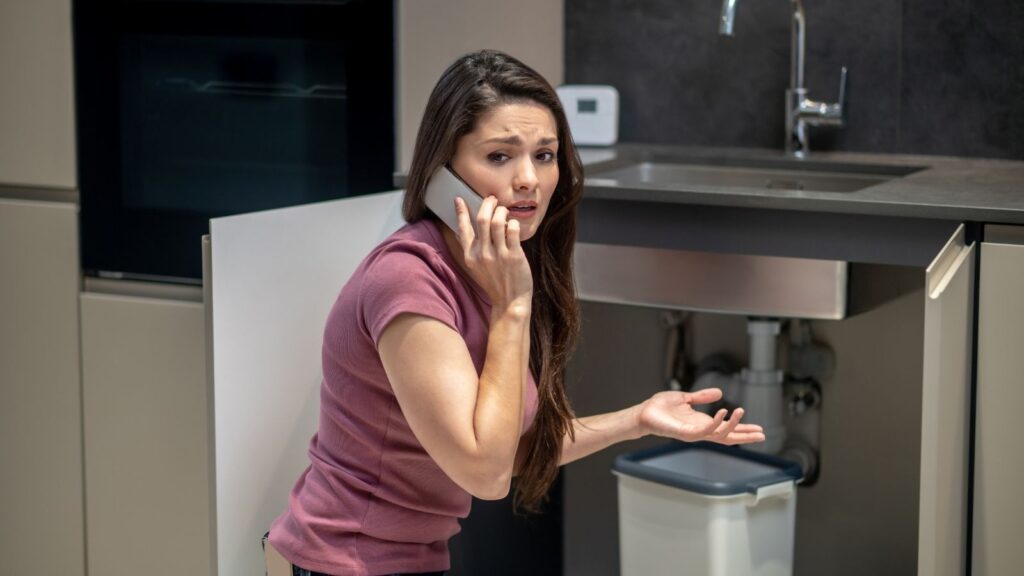
Hidden plumbing problems in a Sunshine Coast home can drain savings long after settlement. Repairs to drains, leaks and hot water systems can quickly cost many thousands.
It includes testing water pressure, running every fixture, checking for leaks, inspecting visible pipework, assessing the hot water unit, reviewing roof and yard drainage, and often CCTV drain inspection of key lines. A specialist such as MJP Plumbing then provides a written plumbing report buyers can use to negotiate, budget or walk away.
Want to know what gets checked, what common Sunshine Coast issues look like, and when to book the inspection?
Keep reading for a clear home buyer plumbing checklist, local risks and practical tips.
Key Takeaways
-
Hidden plumbing costs can be major
Even small leaks or blocked drains can damage framing, plaster and flooring. Repairing concealed pipes or full sewer runs often costs far more than cosmetic fixes. A focused pre-purchase plumbing inspection gives buyers a realistic view of upcoming expenses before they commit. -
Sunshine Coast conditions speed up plumbing wear and tear
Salt air, intense rain and tree roots in suburbs from Maroochydore to Caloundra are tough on pipes and fittings. Older homes often combine coastal corrosion with ageing materials and older pipe types. Local plumbers such as MJP Plumbing understand the patterns they see across the region. -
Plumbing inspections fill the gap left by building reports
Standard pre-purchase property inspection Sunshine Coast reports focus on structure, pests and visible moisture. They rarely test water pressure properly or inspect underground drains. A licensed plumbing inspection Sunshine Coast checks the systems that keep the house liveable every day. -
CCTV drain and leak detection are often worth the extra cost
Camera inspections and pressure tests can reveal cracked sewer lines, tree roots and hidden leaks under slabs. According to Unitywater, tree roots are a frequent cause of blockages in South East Queensland sewers. Finding these issues before settlement can change negotiation plans. -
Use the plumbing report for negotiation and future planning
A clear plumbing report for home buyers highlights urgent safety issues, medium‑term repairs and maintenance. Buyers can request seller repairs, seek a price reduction or budget for staged upgrades after moving in. Property investors and managers can plan maintenance across their portfolios.
What Is A Pre-Purchase Plumbing Inspection?
A pre-purchase plumbing inspection is a focused check of a property’s water, drainage, hot water and gas systems by a licensed plumber before you finalise a contract. On the Sunshine Coast it sits alongside, not instead of, a standard building and pest inspection.
Where a building inspector looks at structure and pests, a plumbing inspection checks how the house will work day to day. A company such as MJP Plumbing tests taps and toilets, assesses underground drains, checks hot water compliance and looks for DIY work that might concern the Queensland Building and Construction Commission (QBCC). According to REIQ, specialist reports give buyers extra confidence when committing to a property.
“Don’t just look at the paintwork – look at the plumbing. It’s the hidden services that often cost the most.” – Mark, Senior Plumber at MJP Plumbing
How A Plumbing Inspection Differs From Building And Pest
Building and pest inspectors focus on structure, termites, rising damp and general safety. Most are not licensed plumbers, so they only do basic tap tests and visual checks of obvious plumbing.
A pre-purchase plumbing inspection goes far deeper into water, drainage, gas and hot water. The plumber carries pressure gauges, drain cameras and leak detection tools, and understands National Construction Code and AS/NZS 3500 plumbing requirements. Many building reports simply state that plumbing appears functional and suggest further checks. A separate plumbing report gives clear information on condition, compliance and repair costs.
| Aspect | Standard Building And Pest | Dedicated Plumbing Inspection |
|---|---|---|
| Main Focus | Structure, pests, visible moisture | Water, sewer, stormwater, gas, hot water |
| Testing | Limited fixture testing | Water pressure testing, flow tests, CCTV where needed |
| Underground Drains | Usually excluded | Often inspected with cameras |
Who Really Needs A Pre-Purchase Plumbing Inspection On The Sunshine Coast?
A detailed property plumbing inspection before buying is especially helpful for first‑home buyers, families and investors looking at older houses, units or townhouses. Renovators, builders and developers planning extensions or knockdown rebuilds around Buderim, Nambour or Caloundra gain early insight into pipe condition and drainage layout.
Properties near the coast in Mooloolaba, Kawana and Maroochydore face extra corrosion from salt air. Homes in treed or hinterland areas often have clay soils, septic systems or long runs of private drainage. If there are signs of handyman work or unknown plumbing history, a pre-purchase plumbing inspection Qld becomes even more important.
Why Plumbing Inspections Matter Before Buying
Plumbing inspections before buying matter because hidden plumbing defects can cost tens of thousands of dollars after settlement. Water damage, sewer failures and hot water breakdowns often appear only once a home is fully occupied. According to the Insurance Council of Australia, water damage is one of the most common causes of home insurance claims nationwide.
A Sunshine Coast specific inspection also helps buyers avoid non-compliant plumbing and gas work. Licensed plumbers reference the Plumbing and Drainage Act 2018 (Qld), the National Construction Code and key Australian Standards when reviewing visible work. That gives buyers better protection than relying on a general building report alone.
Financial And Negotiation Benefits For Buyers
A thorough plumbing assessment can change the numbers on a property overnight. Full replacement of galvanised water lines, relining of tree root infested sewer pipes or a new solar hot water system can each run into many thousands.
With a written report from a plumber such as MJP Plumbing, buyers can:
-
Ask sellers to repair serious plumbing defects before settlement
-
Request a price reduction to reflect required works
-
Negotiate special conditions for repairs or credits
-
Compare homes using real whole-of-life plumbing costs, not just listing prices
Property investors and managers can also use the report to budget for works over several years and protect rental income. Comparing two homes with similar prices but very different plumbing condition helps buyers see the real cost of ownership.
Safety, Compliance And Insurance Considerations In Queensland
In Queensland, most plumbing and drainage work must comply with the Plumbing and Drainage Regulation and be carried out by licensed trades. Non-compliant bathrooms, gas appliances or hot water systems can create scalding and fire risks.
Common plumbing compliance issues include:
-
Missing or faulty tempering valves on hot water
-
Illegal stormwater connections to sewer
-
DIY gas lines and unapproved appliance changes
-
Unvented or badly vented drains
As QBCC explains, council can order rectification of unapproved work, sometimes involving demolition of tiles and walls. A licensed Sunshine Coast plumber checks visible work for red flags and explains which items may need permits or further investigation. This can also support smoother insurance claims later.
Common Plumbing Problems Found In Sunshine Coast Properties
Common plumbing problems in Sunshine Coast homes reflect local climate, soil and building history. Tree roots, ageing pipes, coastal corrosion and stormwater failures appear often in pre-purchase property inspection Sunshine Coast reports.
Many of these plumbing defects stay hidden during short open homes, especially when water is barely used. Once a family moves in and water use jumps, blocked drains, weak showers or sewer smells can emerge quickly. A targeted property plumbing inspection shows buyers what they are really inheriting.
Typical Hidden Plumbing Defects On The Sunshine Coast
Typical issues that pop up during plumbing inspection Sunshine Coast checks include:
-
Old galvanised or early plastic pipework restricting flow and leaking at fittings
-
Flexible braided hoses under sinks and basins rusting and bursting, causing major indoor flooding
-
Poorly waterproofed showers leading to damp walls and adjoining rooms
-
Failed or undersized pressure limiting valves causing excess stress on pipes and appliances
Tree roots commonly invade clay or older PVC sewer and stormwater pipes, especially on blocks with large trees and gardens. Hot water systems may be well past the typical 8 to 12 year life and near failure. The Queensland Building and Construction Commission and NSW Fair Trading both list waterproofing and wet area leaks as common building defects, which aligns with local findings of poor shower waterproofing and damp adjacent rooms.
Coastal And Weather-Related Risks For Plumbing Systems
Salt air on the Sunshine Coast speeds up corrosion of:
-
Outdoor taps and exposed pipework
-
Hot water system casings and fittings
-
Roof flashings and gutters
-
Gas regulators and copper pipe near the coastline
Properties close to the beach in suburbs like Mooloolaba and Kawana often show this early.
Intense summer storms can overwhelm undersized or blocked stormwater systems, leading to flooding under houses or in garages. High groundwater and reactive soils in some hinterland areas stress underground pipes and joints. MJP Plumbing’s local experience across different suburbs helps them recognise patterns and recommend practical prevention steps such as upsizing stormwater or scheduling regular gutter and pit cleaning.
Checking Water Pressure And Water Quality
Checking water pressure and basic water quality gives early clues about pipe condition and comfort levels. High pressure can blow flexible hoses, damage appliances and make water hammer worse, while very low pressure often points to ageing or undersized pipes.
Australian plumbing standard AS/NZS 3500 from Standards Australia recommends limiting residential pressure to around 500 kPa to reduce stress on fixtures. A pre-purchase plumbing inspection on the Sunshine Coast should always include water pressure testing and quick checks on water appearance and smell.
What Does A Plumber Test For With Water Pressure?
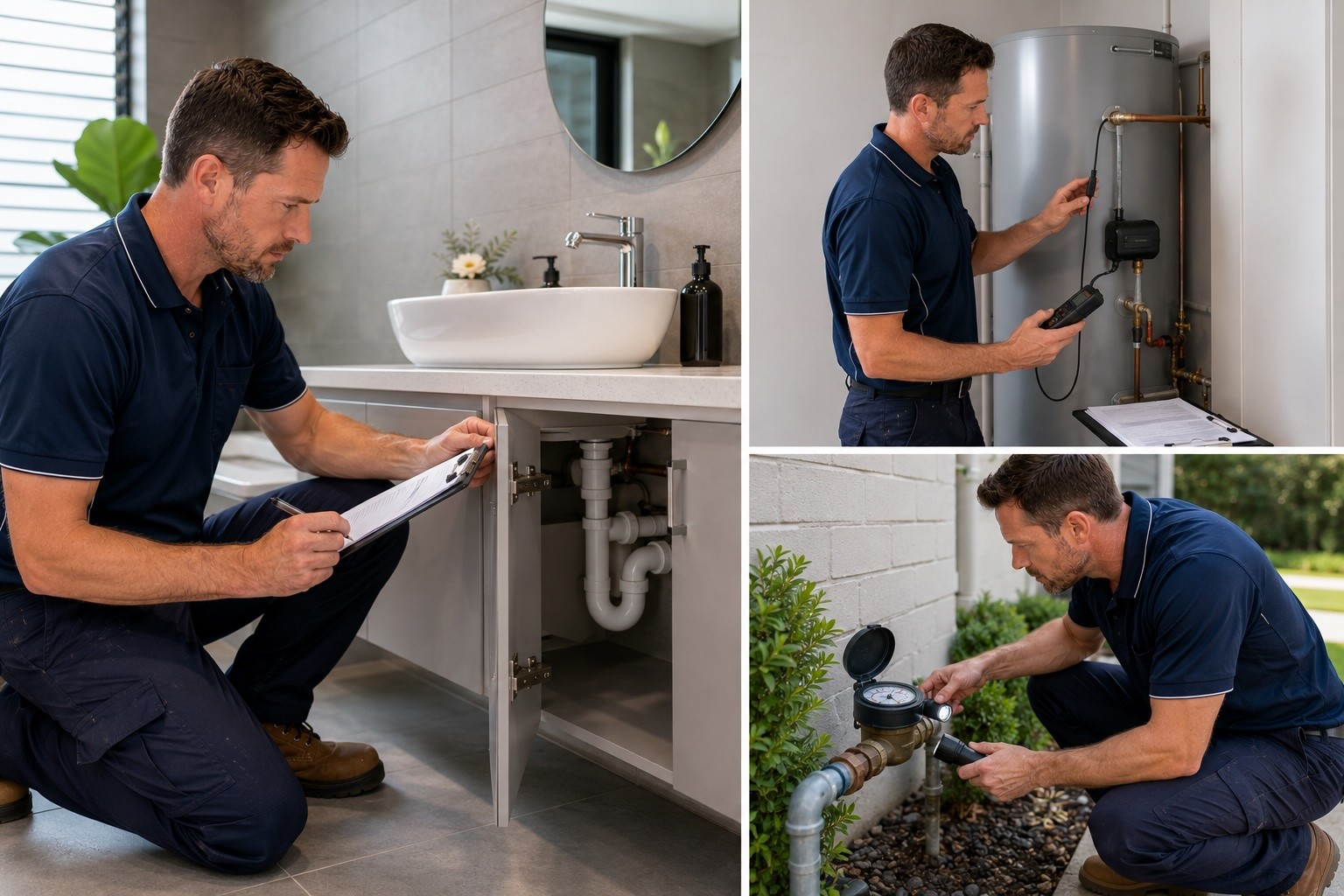
During a plumbing assessment new home purchase buyers can expect the plumber to:
-
Test both static and running pressure with a calibrated gauge
-
Locate and test the main isolation valve so water can be shut off quickly in an emergency
-
Check for the presence and function of pressure limiting or reduction valves
-
Compare pressure at different fixtures to pick up partial blockages
Very high pressure may lead the plumber to recommend a pressure limiting valve to protect hoses and appliances. Very low pressure in older homes often points towards corroded galvanised lines, partial blockages or supply issues that can be expensive to rectify.
Simple Signs Of Water Quality Issues Before You Buy
Basic observations can reveal water quality problems even during a short inspection.
Look out for:
-
Discoloured or rusty water after taps have not been used for a while – often linked to internal pipe corrosion
-
Metallic taste or strong odour – may suggest issues with old storage tanks or bore water
-
Staining around fixtures and aerators clogged with sediment – hints at mineral build up
-
Slime or odour in rainwater tanks – indicates poor maintenance or contamination
On the Sunshine Coast, many homes combine mains with rainwater tanks, so MJP Plumbing checks tank screens, first flush devices, backflow prevention and internal connections when reviewing water quality.
Hidden Leaks And Water Damage Risks
Hidden leaks and slow moisture ingress are among the most expensive plumbing defects because they damage structure over time. They often sit inside walls, ceilings or under slabs where buyers cannot see them.
Research highlighted by Choice shows that water leaks and damp problems are a frequent source of building complaints across Australia. A plumbing inspection before buying a house helps catch these issues early, before they turn into large rectification projects.
How Inspectors Detect Hidden Leaks In Homes
Plumbers use several methods to look for concealed leaks, including:
-
Visual checks for water stains, swollen skirting, soft flooring and blistered paint
-
Close inspection around showers, baths, toilets and laundries
-
Meter tests by turning off all fixtures and watching whether the water meter continues to move
-
Moisture meters or similar indicators, where appropriate, around showers, toilets, cabinets and ceilings
MJP Plumbing pays close attention to older bathrooms, recent DIY looking renovations and any area where the building and pest inspector has reported dampness or mould.
Signs Buyers Can Spot During Open Homes
Even without tools, buyers can notice warning signs while walking through a property.
Keep an eye out for:
-
Spongy or bouncy bathroom floors
-
Mouldy silicone, cracked grout and missing tiles in showers
-
Swollen cabinetry near showers, sinks or dishwashers
-
Discoloured ceilings below upstairs bathrooms
-
Patchy or fresh paint near wet areas that may be hiding past damage
-
Constantly running toilets or persistent dripping taps
These signs should prompt buyers to organise a dedicated pre-purchase plumbing inspection rather than rely on looks alone.
Drainage And Stormwater Issues
Drainage and stormwater performance is vital on the Sunshine Coast because intense rainfall can arrive with little warning. Poor stormwater design can cause flooding, slab movement, damp subfloors and erosion around retaining walls, not just puddles in the yard.
The Bureau of Meteorology reports that South East Queensland regularly experiences heavy rainfall events, which test undersized gutters and drains. A property inspection Sunshine Coast that includes stormwater checks gives a clearer picture of how the site will cope during storms.
How Plumbers Check Stormwater And Surface Drainage
Plumbers review stormwater by walking around the home and yard. From ground level they:
-
Check gutters for rust, inadequate fall, leaf build up and staining that shows past overflows
-
Inspect downpipes to see whether they discharge to a lawful point like underground stormwater pipes, kerb outlets or approved dispersion trenches, not beside the slab
-
Look for ponding or scouring in gardens, under decks and along paths
-
Sight surface drains, pits and driveway grates for blockages or poor grading
On steeper or clay sites across suburbs like Buderim and Nambour, they pay special attention to whether stormwater flows away from the house or towards footings and retaining walls.
Common Stormwater Problems In Sunshine Coast Properties
Common stormwater issues that a plumbing inspection Sunshine Coast may reveal include:
-
Older homes with stormwater incorrectly connected into sewer lines
-
Blocked pits and driveway grates sending water back into garages and lower floors during heavy rain
-
Undersized gutters or too few downpipes for the roof area
-
Poor grading of paved areas so water runs towards, not away from, the house
Renovations and extensions may have undersized or poorly graded stormwater pipes that cannot carry the extra roof area. When MJP Plumbing includes stormwater in a pre-sale plumbing inspection, they highlight short term cleaning tasks and longer term upgrade needs so buyers can plan with minimal disruption.
Sewer And Underground Pipe Concerns
Sewer and underground drainage are some of the most costly parts of a plumbing system to repair. Problems are usually invisible from the surface until they cause blockages, sewage overflows or subsidence.
Unitywater and other South East Queensland water utilities regularly warn homeowners that tree roots and ageing pipes are leading causes of sewer failures. A plumbing assessment new home purchase that includes CCTV sewer inspection gives buyers rare visibility of these hidden assets.
What Can Go Wrong With Sewer And Underground Drains?
Common failures underground include:
-
Tree roots infiltrating joints and inspection openings
-
Cracked, broken or misaligned pipe sections
-
Pipe “bellies” where water sits instead of flowing
-
Old earthenware or early PVC pipes becoming brittle and prone to collapse
Symptoms inside the house include gurgling sounds, slow draining fixtures and repeated blockages that only clear for a short time. Outside, buyers might notice strong odours or persistent wet patches in specific parts of the yard. These signs are especially common in treed suburbs and older holiday homes around Buderim, Caloundra and the hinterland.
When To Arrange A CCTV Drain Inspection Before Purchase
Buyers should strongly consider CCTV drain inspection before buying where:
-
The home is older or has original sewer and stormwater
-
There are large trees close to the house or along the driveway
-
The agent mentions previous blockages or plumbing work
-
There are multiple bathrooms or complex extensions over old drainage lines
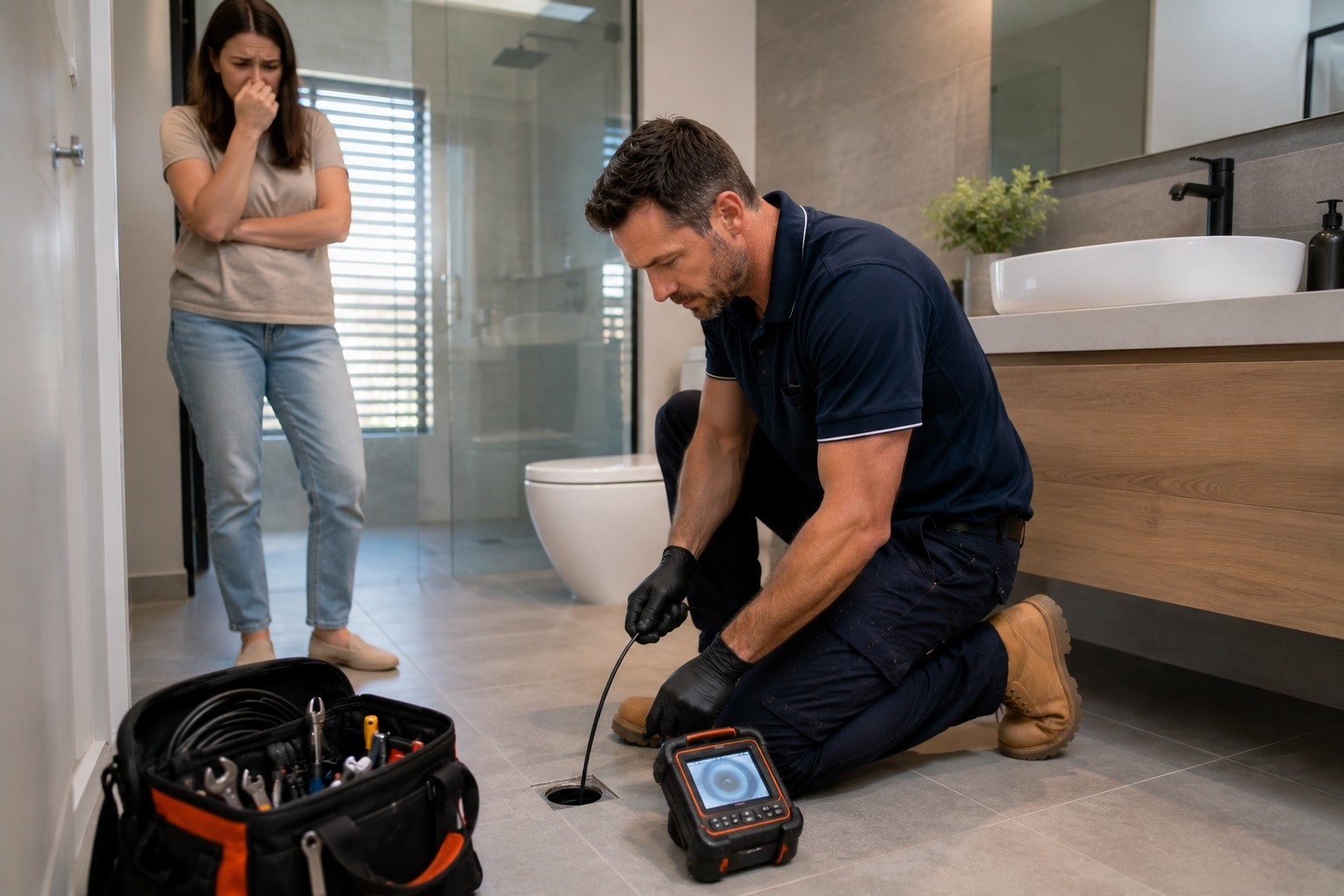
MJP Plumbing uses drain cameras across the Sunshine Coast to record footage, locate breaks and provide repair options such as relining or replacement. The cost of camera work is modest compared with full excavation of a collapsed sewer or stormwater main. Having video evidence also helps when discussing quotes with other trades or insurers later.
Hot Water System Assessment
Hot water systems are high value items and are often close to the end of their life when homes change hands. Buyers who skip a hot water check risk sudden failure and emergency replacement soon after moving in.
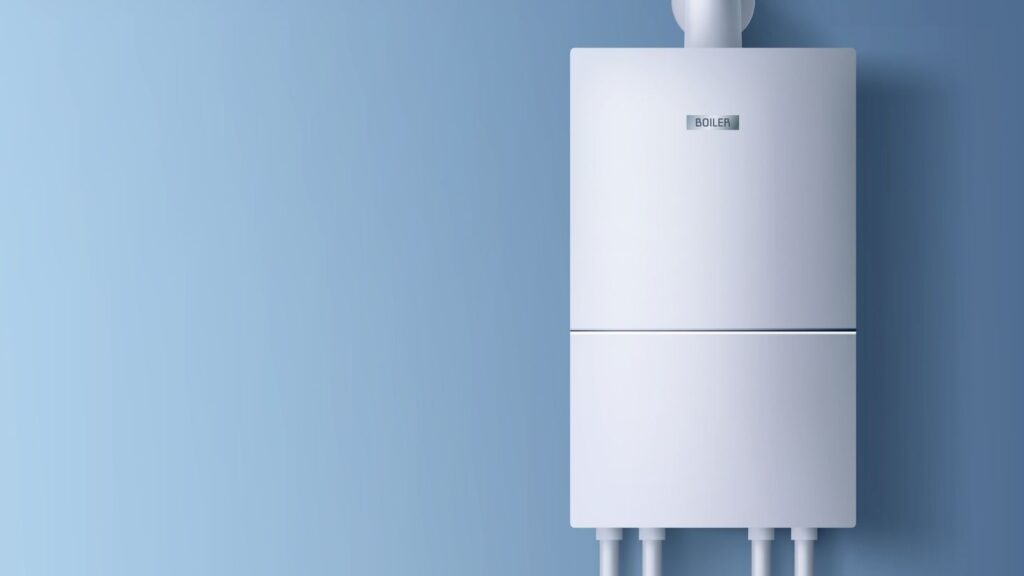
The Australian Government’s YourHome guide notes that typical storage hot water units often last around 8 to 12 years, depending on water quality and maintenance. A pre-purchase plumbing inspection should always include a careful assessment of any hot water unit on site.
What Does A Pre-Purchase Hot Water Check Involve?
During a plumbing inspection before buying a house, the plumber will usually:
-
Identify the hot water type (electric, gas, solar, heat pump), capacity and approximate age
-
Check for rust, leaks, bulging, corroded fittings and signs of past patch repairs
-
Test the temperature and pressure relief valve for basic operation
-
Confirm the discharge line runs to a safe, visible point
-
Check that tempering valves are installed and labelled for bathrooms
-
Inspect gas units for safe location, flueing and accessible isolation valves
These checks help confirm both safety and remaining service life.
How Hot Water Findings Affect Buyers’ Decisions
Knowing the age and condition of the hot water system helps buyers estimate when replacement is likely and what it might cost. If a unit is already beyond its typical life, buyers may:
-
Negotiate replacement before settlement
-
Seek a price adjustment to cover early replacement
-
Plan an upgrade to a more efficient system shortly after moving in
Some buyers choose heat pump or solar hot water to cut running costs and improve water efficiency. Families and investors often prefer to install a correctly sized, modern unit soon after purchase to avoid inconvenient breakdowns. MJP Plumbing can quote on replacement systems based on findings in the inspection report.
Older Homes Vs Newer Homes What To Watch For
Older Sunshine Coast homes and newer builds carry different plumbing risks that buyers should recognise. A pre-purchase plumbing inspection Qld style looks at history, materials and build quality for each era.
Many pre‑1990s homes still run on original pipes and drains, while recent estates may have been built quickly with budget fixtures. Understanding these patterns helps buyers read their inspection report sensibly and plan property maintenance.
Key Plumbing Risks In Older Sunshine Coast Homes
Older houses often have:
-
Galvanised or outdated water pipes with restricted flow and internal rust
-
Clay or early PVC sewer lines prone to tree root intrusion
-
Limited original stormwater drainage not sized for heavier rainfall
-
Old septic tanks or on-site treatment systems needing careful review
Historic DIY updates to bathrooms, laundries and kitchens can hide unapproved pipework inside walls and slabs — challenges that align with research into building condition auditing frameworks designed to reduce ambiguity and improve the reliability of property assessments. Hinterland properties may still use septic tanks or on-site systems that need close inspection for odours, soggy ground and evidence of overflow. MJP Plumbing assesses remaining service life and suggests staged replacement so owners can spread costs.
What To Check In Newer Builds, Townhouses And Units
New builds, townhouses and units are not free from plumbing defects. Common issues include:
-
Poor stormwater design or inadequate yard drainage
-
Undersized or poorly located hot water systems for family living
-
Very cheap fixtures such as taps and mixers with short lifespans
-
Incomplete or rushed waterproofing and fall-to-drain in showers
In strata complexes across Maroochydore or Kawana, shared services mean one failure can affect several units. Buyers should:
-
Confirm plumbing and drainage compliance certificates
-
Understand body corporate maintenance responsibilities
-
Still arrange an independent plumbing inspection Sunshine Coast wide
Even recent construction can hide rushed fit offs or incomplete drainage, especially in fast-growing estates.
When To Arrange A CCTV Drain Inspection
A separate CCTV drain inspection is a smart add-on when there is higher risk of underground issues. This is common on the Sunshine Coast due to tree root intrusion, older pipe materials and shifting soils.
You should consider CCTV when:
-
The property is more than 20–25 years old
-
There are large trees, hedges or palms near drains
-
The home has had extensions built over existing sewer or stormwater lines
-
There is a history of blockages, gurgling or odours
“If you only add one extra check to your pre-purchase plumbing inspection, make it a CCTV drain inspection for older homes with trees. It can save you from some of the biggest surprise costs.” – MJP Plumbing Inspection Team
MJP Plumbing can combine CCTV drain inspection Sunshine Coast work with general pre-purchase checks so buyers get a single, clear report and video files for future reference.
What A Professional Plumbing Inspection Includes
A professional pre-purchase plumbing inspection Sunshine Coast buyers book should follow a clear, methodical scope. The inspection covers water supply, fixtures, drainage, hot water, gas and stormwater, adjusted to suit the age and type of property.
A local specialist such as MJP Plumbing also factors in Sunshine Coast Council requirements, water efficiency compliance for rentals and typical issues in each suburb. According to the Australian Building Codes Board, correct plumbing design is central to health and safety in buildings, so this review carries real weight.
Step-By-Step Overview Of A Pre-Purchase Plumbing Inspection
A typical inspection will:
-
Start with a brief chat about the buyer’s plans, such as adding bathrooms, a pool or a granny flat.
-
Check the water meter, isolation valves, water pressure testing and visible pipework.
-
Run all taps, toilets, showers, baths and internal drains to test flow, function and drainage behaviour.
-
Inspect the hot water unit, including safety valves and discharge points.
-
Review gutters, downpipes, external taps, rainwater tanks and pumps.
-
Look at gas appliances and meters where accessible.
-
Where risk factors exist, carry out optional CCTV drain camera work and additional leak detection tests.
This forms a clear home buyer plumbing checklist buyers can rely on for Sunshine Coast properties.
What You Get In A Plumbing Report For Home Buyers
After the visit, buyers receive a written report outlining overall plumbing condition in plain language. Findings are grouped by system, such as:
-
Water supply and internal pipework
-
Hot water systems
-
Internal fixtures and fittings
-
Sewer and underground drains
-
Stormwater and surface drainage
-
Gas (where applicable)
Issues are prioritised into safety items, urgent repairs and general maintenance or future planning. Where possible, cost ranges or notes for quotes are included so buyers can decide their next steps. MJP Plumbing is happy to talk through the report with buyers, agents or property managers and provide follow‑up quotes for agreed works.
Frequently Asked Questions
These common questions come up for many Sunshine Coast buyers who are weighing up a plumbing inspection alongside building and pest checks. The answers below give short, practical guidance you can use straight away.
Question: Is A Pre-Purchase Plumbing Inspection Really Necessary If I Already Have A Building And Pest Inspection?
Yes, a pre-purchase plumbing inspection is still necessary. Building inspectors focus on structure and pests, and most are not licensed plumbers. Hidden plumbing issues such as underground sewer defects, failing hot water systems and non-compliant gas work are often outside their scope. A separate plumbing report costs far less than major repairs later.
Question: How Much Does A Pre-Purchase Plumbing Inspection Cost On The Sunshine Coast?
Costs vary with property size, age and whether CCTV drain work is included. Larger homes with several bathrooms or complex drainage cost more than small units. Compared with full repiping, sewer replacement or new hot water systems, the inspection fee is modest. The simplest way is to request a no obligation quote from MJP Plumbing.
Question: How Long Does A Plumbing Inspection Take Before Buying A House?
Most standard houses take around one and a half to three hours for a thorough plumbing check. Units and small townhouses are often quicker, while large or complex properties take longer. The plumber needs access to all wet areas, the yard and external inspection openings, so coordinate timing within your Queensland contract due diligence period.
Question: When Should I Book A Pre-Purchase Plumbing Inspection In The Buying Process?
Book the plumbing inspection as soon as you have a signed contract with a building and pest or due diligence clause. For auctions, organise inspections before auction day, because sales are usually unconditional once the hammer falls. Work with your agent, solicitor and MJP Plumbing to fit within any cooling off or clause deadlines.
Question: Can I Use The Plumbing Report To Renegotiate The Property Price?
Yes, many buyers use documented plumbing defects and cost estimates to renegotiate. Options include asking the seller to fix key items, seeking a price reduction or adding special conditions. Your conveyancer or solicitor can help decide the best approach based on the report and market conditions.
Question: Do I Need A CCTV Drain Inspection For Every Property?
Not every property needs full CCTV, but many benefit from at least checking the main sewer. Older homes, blocks with large trees and properties with a history of blockages are strong candidates. Newer, small units with simple drainage may only need basic functional tests. MJP Plumbing will advise on the right level of inspection for each site.
Question: Why Use A Local Sunshine Coast Plumber Like MJP Plumbing For A Pre-Purchase Inspection?
A local plumber understands coastal corrosion, stormwater challenges and typical construction styles across suburbs from Caloundra to Nambour. MJP Plumbing is fully licensed, QBCC compliant and uses modern gear such as CCTV drain cameras, pressure gauges and leak detection tools. They also offer ongoing support for repairs, maintenance and renovations after settlement.
Conclusion
Plumbing systems are some of the most expensive and disruptive parts of any Sunshine Coast home to repair. Hidden leaks, ageing hot water units, tree root infested sewers and poor stormwater can turn a dream property into a stressful money pit.
A dedicated pre-purchase plumbing inspection Sunshine Coast complements your building and pest report to give a far fuller picture of real condition. You gain clarity on safety, compliance and future costs, instead of relying on short open homes and guesswork. For families, first-home buyers and investors, that knowledge leads to better decisions and calmer move‑in plans.
With more than ten years of local experience, MJP Plumbing combines one‑on‑one service, clear communication and a strong focus on Queensland regulations. Their team uses CCTV drain cameras, pressure testing and leak detection to check the parts of the home you cannot see.
If you are considering a property anywhere from Maroochydore and Buderim through to Caloundra, Kawana, Mooloolaba or Nambour, book a pre-purchase plumbing inspection with MJP Plumbing. You will walk into your new home knowing exactly what the plumbing needs now, what can wait, and how to plan your property maintenance and upgrades for the years ahead.