
Burst Pipe Emergency On The Sunshine Coast: What To Do First
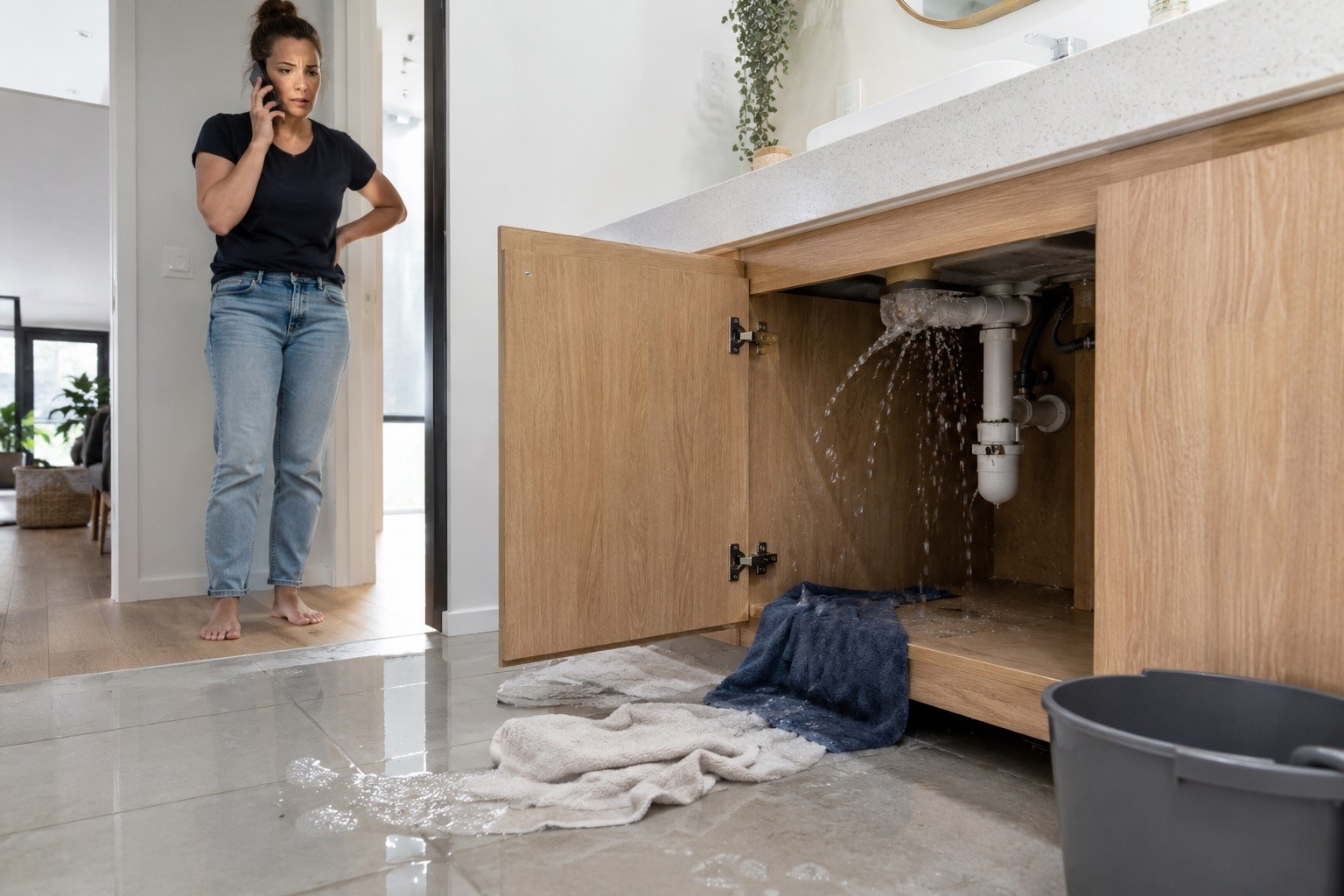
Water pouring from a burst pipe at home or work needs one main action straight away: turn off your water at the meter, stay clear of any electrics, then call a licensed emergency plumber Sunshine Coast. Those first few minutes decide how much damage your walls, floors and belongings suffer.
Floors, cabinets and wiring can start to fail very quickly when water keeps running. The longer it flows, the higher the clean up and repair bill will be.
The simple plan is this: stop the water at the mains, switch off power if water is near electricals, call a local emergency plumber such as MJP Plumbing, move valuables out of harm’s way and take photos for insurance. This guide walks through those steps, explains how to spot hidden problems and shows how Sunshine Coast homes and businesses can prevent the next burst.
Keep reading for calm, practical steps you can follow any time of day or night.
Key Takeaways
Before reading the detail, these short points sum up what matters most during a burst pipe emergency. They focus on actions that protect people first, then your home or business.
-
Shut off the water fast. Find the main isolation valve at your meter or in the building and turn it fully off. This single move stops more water feeding the burst and can save thousands of litres from spilling through your property.
-
Stay safe around electricity. If water is near lights, power points or the switchboard, do not touch switches or appliances. Turn power off at the main board only if the area is dry and safe to reach, then wait for a licensed electrician or plumber to confirm safety.
-
Call a licensed Sunshine Coast emergency plumber. Once water is off, contact a local burst pipe repair plumber such as MJP Plumbing for 24/7 help. According to the Insurance Council of Australia, escape of water from damaged pipes is one of the most frequent home claim types, so fast professional help really matters.
-
Protect your home and document damage. Move rugs, furniture and electronics away from wet areas and use towels and buckets to collect water. Take clear photos and short videos of the burst, wet areas and damaged items so your insurer and plumber understand what happened.
-
Plan ahead to prevent the next burst. Ask your plumber about water pressure checks, flexi hose replacement and ageing pipework. Regular inspections and simple upgrades greatly cut the chance of another burst water pipe in the same home or building.
Quick Answer: What To Do First When A Pipe Bursts
The first actions when a pipe bursts are to shut off your water, stay safe around electricity and call an emergency plumber. For Sunshine Coast properties, that means closing the main valve at your Unitywater meter, turning off power if water is near electrics and phoning a licensed local plumber like MJP Plumbing right away.
According to the Insurance Council of Australia, water damage from internal leaks and broken water pipes is a leading cause of home insurance claims, often running into many thousands of dollars. Fast action keeps that damage as low as possible.
Once the mains are off and help is on the way, you can start:
-
moving belongings out of wet areas
-
improving airflow and ventilation
-
recording what you see for insurance and for your plumber
“If you remember just three things during a burst pipe – water off, power safe, plumber called – you’re already well ahead.” – MJP Plumbing, Sunshine Coast
Simple Step-By-Step Checklist
In an emergency it helps to follow a short checklist so nothing vital is missed while you are under pressure. Use these steps for homes, rentals and business sites.
-
Step 1 – Stay calm and find the source area
Look for where water is actually appearing, such as under a sink, from a ceiling, along a wall, in the yard or at the water meter. You do not need to see the break itself, only the rough zone. This helps your plumber and keeps you focused. -
Step 2 – Turn off the main water supply at the meter
Go to the water meter box near the front boundary and turn the isolation tap fully clockwise. If you live in a unit or townhouse, use the labelled isolation valve for your lot or ask building management where it is. Stopping the flow is the fastest way to limit damage from a burst water pipe. -
Step 3 – Make power safe if water is near electrics
If water is running through a ceiling, near lights, power points or the switchboard, do not touch anything metal or wet. If the switchboard area is dry, turn off the main switch, then stay away from affected rooms. If you feel unsure, wait in a dry area and discuss it with your plumber or an electrician. -
Step 4 – Call a licensed burst pipe plumber on the Sunshine Coast
Phone a 24/7 emergency plumbing services provider on the Sunshine Coast such as MJP Plumbing, which services suburbs including Maroochydore, Caloundra, Kawana, Mooloolaba, Birtinya and Noosa. Give clear details about where the water is, how long it has been flowing and whether power is off. Ask about expected arrival time so you can plan your next moves. -
Step 5 – Move belongings out of harm’s way
Shift furniture, rugs, electronics and personal items from wet rooms into dry areas. Focus first on soft items that soak up water quickly and on anything expensive or sentimental. This simple task often saves more value than any other clean up step. -
Step 6 – Use towels, buckets and containers to collect water
Place buckets under ceiling drips and thick towels or mops on hard floors to slow spread. Wring towels into a sink or tub and re-use them to keep up with the flow. Avoid standing directly under bulging ceilings or on soft, spongy floors. -
Step 7 – Open doors and windows where practical
Fresh air helps surfaces dry faster and reduces mould risk. If it is safe and the power circuit is dry, you can run fans in unaffected rooms to move air across damp areas. Do not use heaters near standing water or damaged wiring. -
Step 8 – Document what you see, especially for rentals and businesses
Take photos and short videos of the burst area, wet ceilings, floors and any damaged stock or contents. For property managers and business owners, write down times, who you called and what actions you took. This record supports insurance claims and tenancy documents later.
How To Tell If A Pipe Has Burst
Knowing if a pipe has burst in your home or business comes down to spotting damp, listening for water and watching your bills. Some bursts are dramatic, while others start as small leaks that slowly grow. Any sign of unexplained moisture or water noise should be checked quickly by a licensed Sunshine Coast plumber.
Common Signs Of A Burst Or Leaking Pipe
Inside the building, watch for changes in walls, ceilings and floors that appear without heavy rain:
-
damp patches, brown stains and bubbling paint
-
swollen skirting boards, soft plaster or buckled timber floors
-
musty odours or visible mould behind furniture and in cupboards
Plumbing performance can shift when a burst pipe or major leak forms:
-
hissing or running water sounds when all taps and appliances are off
-
taps and showers that lose pressure or pulse as air enters the lines
-
several fixtures dropping in pressure at once (often a main line issue)
Outside, look for:
-
soggy soil or pooling water in the yard when there has been little rain
-
unusually green or fast growing strips of lawn along a pipe route
-
movement on your water meter when all taps and appliances are off
Unitywater advises that unexpected meter movement when everything is off is a strong sign of a hidden leak, so a simple meter test is very useful.
A sudden spike in your Unitywater bill with no change in normal use is another strong signal of trouble. Research from Unitywater and other water utilities such as Sydney Water shows that even a small continuous leak can waste tens of thousands of litres a year Unitywater Sydney Water. Treat any combination of these clues as urgent, especially if water is near electrical fittings.
The First Things To Do Immediately
The first things to do after you notice a burst pipe are to protect people, stop the water and call a licensed plumber. Those early minutes shape how far water spreads into structure, flooring and electrical systems. Clear priorities help you act quickly without panic.
Safety, Containment And Calling An Emergency Plumber
Personal and electrical safety always comes first:
-
If water is near lights, power points or the switchboard, keep everyone away from that area.
-
Turn power off at the main switchboard only if you can reach it without crossing wet floors or touching damp surfaces.
-
If the board looks wet or you feel unsure, stay clear and wait for professionals.
Next, shut down the water supply as quickly as you can. Turning off the mains at the meter usually stops most flow within seconds, even if some water still drains from pipes.
If the main valve is hard to reach and you can see the burst under a sink or at a toilet, you can close the small isolation taps on those fixtures as a short term measure while you work towards the main valve.
Once water is off, call an emergency plumber Sunshine Coast. A licensed team such as MJP Plumbing is QBCC licensed and works to AS/NZS 3500 and the National Construction Code, which protects you with compliant pipe repair. Have your address, suburb, contact number, details of the leak and notes about power handy when you call.
According to Queensland’s Residential Tenancies Authority, burst water services count as emergency repairs that must be dealt with promptly in rental properties Residential Tenancies Authority.
While you wait, start basic containment with towels, buckets and moving belongings, as detailed later in this guide. Keep children and pets out of affected rooms. These steps give your plumber a safer, more controlled site to work in when they arrive.
How To Turn Off Your Water Supply
Turning off your water supply on the Sunshine Coast usually involves closing a simple valve at or near your water meter. Knowing this location before a plumbing emergency occurs can save precious minutes. Every household, tenant and property manager should be familiar with their shut off points.
Finding And Using Your Main Isolation Valve
For most standalone houses, the water meter sits near the front boundary, often close to the driveway or footpath. The isolation valve is usually beside the meter and can be a quarter turn handle or a standard tap handle. Unitywater notes that meters are normally within the first few metres inside the property boundary, although older homes can vary slightly Unitywater.
To turn the water off:
-
Open the meter box and locate the valve next to the meter.
-
Grip the valve firmly and turn it clockwise until it stops.
-
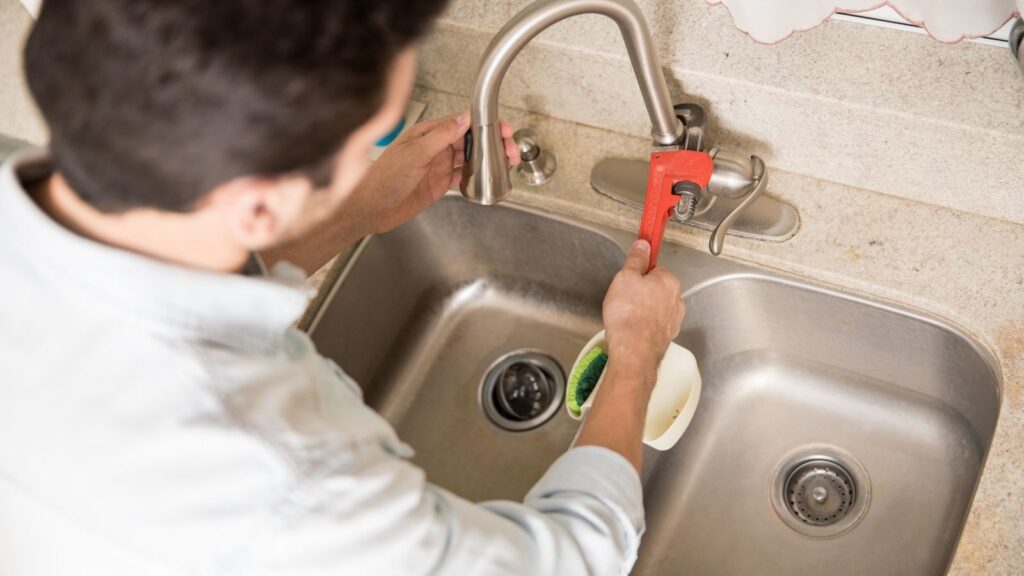
Use an adjustable spanner if the handle is stiff, but do not apply so much force that you snap the fitting.
-
Test a front garden tap or inside tap to confirm the flow slows to a trickle and then stops.
In townhouses, units and strata buildings, isolation valves are often in shared meter rooms, basement carparks, cupboards or vertical risers. Body corporate managers should keep valve locations clearly labelled, and property managers benefit from a simple diagram for each lot.
Commercial and industrial sites may have several isolation points serving different wings, tenancies or processes, so site plans and basic staff training are very helpful. MJP Plumbing can help owners and managers find, test and label isolation valves during routine maintenance visits, which avoids confusion during a real burst pipe emergency.
Reducing Water Damage While Waiting For A Plumber
Reducing water damage while you wait for a plumber focuses on moving belongings, controlling pooled water and protecting ceilings and walls. You do not need plumbing tools for this work, only common household items and a careful eye for safety.
Practical Burst Pipe Cleanup And Protection Steps
-
Protecting your belongings
Move soft furnishings, mattresses, loose rugs, electronics and important documents out of wet rooms straight away. Items sitting on damp carpet or timber quickly absorb moisture, which can lead to stains, warping and mould. Put smaller items on benches or shelves until the area is dry again. -
Managing internal water
Use thick towels, old sheets and mops to soak up water on hard floors and to create small barriers across doorways. Place buckets or plastic tubs under ceiling drips or beneath a burst pipe under a sink so water is captured rather than spread. Empty containers regularly into a bath, sink or outside drain so they do not overflow. -
Ceiling and wall safety
Watch for signs that a ceiling may be overloaded, such as sagging plasterboard, bulging joins or heavy drips around light fittings. Keep people and pets out of rooms where the ceiling looks weak, and do not poke holes or remove plaster yourself unless a licensed professional directs you. If walls feel soft or bowed, mention this to your plumber when they arrive. -
Ventilation, mould prevention and insurance records
Open windows and doors where it is safe to do so, and use fans on dry power circuits to move air across damp areas. The Australian Institute of Disaster Resilience notes that mould can start to grow within 24 to 48 hours on wet surfaces Australian Institute of Disaster Resilience, so early airflow matters.Take photos before and after your early clean up and keep any receipts for drying equipment or temporary accommodation to support insurance claims. MJP Plumbing can provide written reports and photos from their visit to add to your records and support water damage prevention planning.
Common Causes Of Burst Pipes On The Sunshine Coast
Common causes of burst pipes on the Sunshine Coast include ageing materials, high water pressure, flexi hose failures, ground movement and hot water issues. Local coastal conditions add extra stress to plumbing, especially in older suburbs and exposed areas. Understanding these causes helps you and your plumber plan repairs that last.
Local Conditions That Put Your Pipes At Risk
-
Ageing and corroded plumbing
Ageing and corroded pipework is common in established suburbs such as Nambour, Buderim and older parts of Caloundra. Older galvanised steel and some copper lines slowly thin from the inside, especially where salty air and moisture reach them. Hidden sections under slabs, in wall cavities and in roof spaces often fail first because nobody sees early warning signs. -
High water pressure and water hammer
High water pressure and pressure spikes also play a big part. Many Sunshine Coast areas have strong mains pressure, and without a pressure limiting valve the system stays under constant strain. Research into Legacy Pipes Unearthed: Decrypting pressure dynamics and burst events confirms that sustained pressure stress is a primary driver of pipe failure in older distribution systems. Fast closing mixer taps, washing machine valves and dishwashers can cause water hammer, which shakes joints and flexi hoses. -
Flexible braided hose failures
Flexible stainless braided hoses under sinks, vanities and toilets are a well known weak point. They usually run at full mains pressure around the clock and have a limited life. If the braid rusts or the inner rubber bulges, a full burst can follow with little warning. Research from insurance providers such as Suncorp and NRMA has highlighted flexi hoses as a frequent source of expensive water damage claims Suncorp NRMA Insurance. -
Ground movement, tree roots and seasonal weather
Ground movement, tree roots and seasonal weather also affect pipework. Expansive soils, retaining walls and repeated drought then heavy rain cycles can move underground pipes, causing cracks or sheared joints. The Bureau of Meteorology notes that the Sunshine Coast experiences intense rainfall events that can saturate ground quickly Bureau of Meteorology. Tree roots chasing moisture in gardens and near driveways push into small cracks and eventually break pipes.Ageing hot water systems, failed pressure valves and rare cold snaps in hinterland areas add further risk, particularly to exposed external lines. MJP Plumbing considers all of these factors when recommending burst pipe repair, upgrades and water leak repair strategies.
When A Burst Pipe Becomes A Plumbing Emergency
A burst pipe becomes a true plumbing emergency when you cannot control the flow, power is at risk or essential water supply is lost. In these cases you need a licensed emergency plumber immediately, not a routine booking. Knowing what not to do is just as helpful as knowing what to do.
Recognising An Emergency And What Not To Do
Situations that usually count as a plumbing emergency in Queensland include:
-
a pipe burst in a house or business that keeps flooding rooms despite towels or buckets
-
water near switchboards, light fittings or power points
-
a burst water main or outside water pipe burst that causes erosion or major water loss
-
loss of all water supply to a property, once you have ruled out a Unitywater outage
For property managers and business owners, there are legal duties to respond quickly to these problems. The Queensland Residential Tenancies Authority lists burst water services as an emergency repair for rentals, which means tenants can request immediate action Residential Tenancies Authority. Commercial tenants rely on landlords and facility managers to protect stock, equipment and safety. Many agencies on the Sunshine Coast work with emergency plumbing services such as MJP Plumbing to meet these obligations.
What not to do during a burst pipe emergency:
-
Do not ignore ongoing damp patches, musty smells or noisy pipes, hoping they will settle on their own.
-
Do not apply tape, glue, home wraps or hardware gadgets to pressurised pipes; these quick fixes often fail suddenly.
-
Avoid using unlicensed handypeople for water pipe repair, because non compliant work can void insurance and create future failures.
-
Do not turn power back on until a licensed tradesperson confirms affected areas are dry and safe.
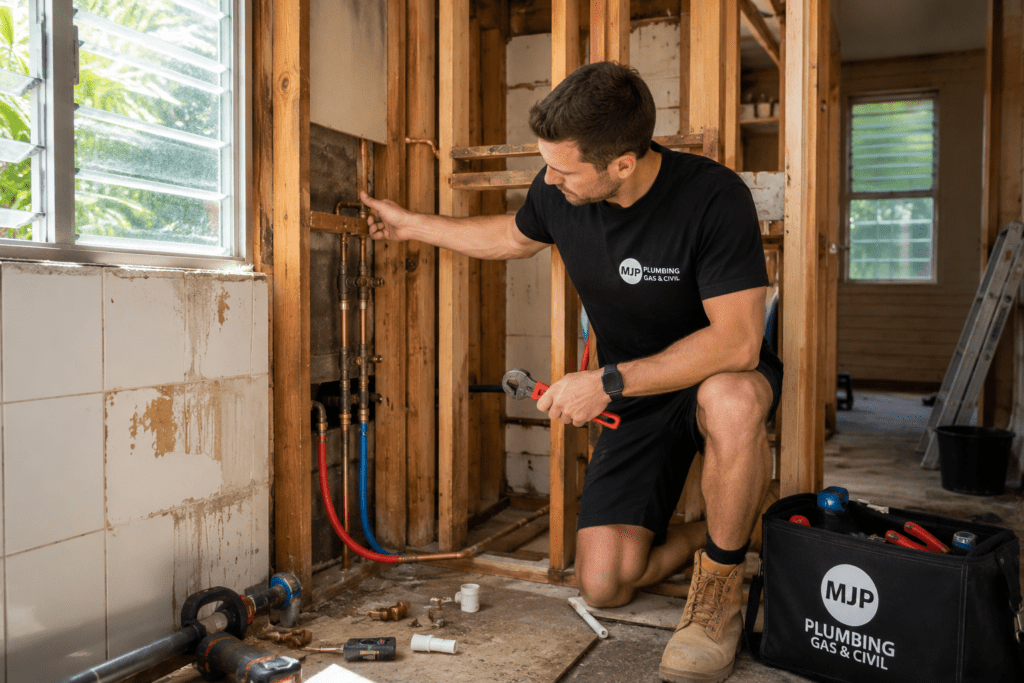
A licensed plumber such as MJP Plumbing brings proper isolation equipment, replacement parts and leak detection tools to fix the problem safely. The business is fully insured, QBCC licensed and focused on long term repairs rather than short term patches, helping reduce repeat plumbing emergency callouts.
How Professional Plumbers Repair Burst Pipes
Professional plumbers repair burst pipes on the Sunshine Coast by first making the site safe, then using targeted diagnosis and compliant repair methods. The exact approach depends on pipe material, access, building use and the cause of failure.
From Leak Detection To Permanent Burst Pipe Repair
When MJP Plumbing arrives at a burst pipe job, the team first checks that water and power are safely isolated. They then carry out a visual inspection of ceilings, walls, cupboards, subfloors, roofs and external pipework to locate obvious leaks. Any immediate hazards, such as bulging ceilings or unstable fixtures, are made safe before detailed diagnosis begins.
For hidden bursts, specialised leak detection equipment helps avoid guesswork:
-
acoustic listening devices to pick up the sound of water escaping through concrete slabs and walls
-
thermal imaging cameras to highlight temperature differences from hot or cold leaks behind surfaces
-
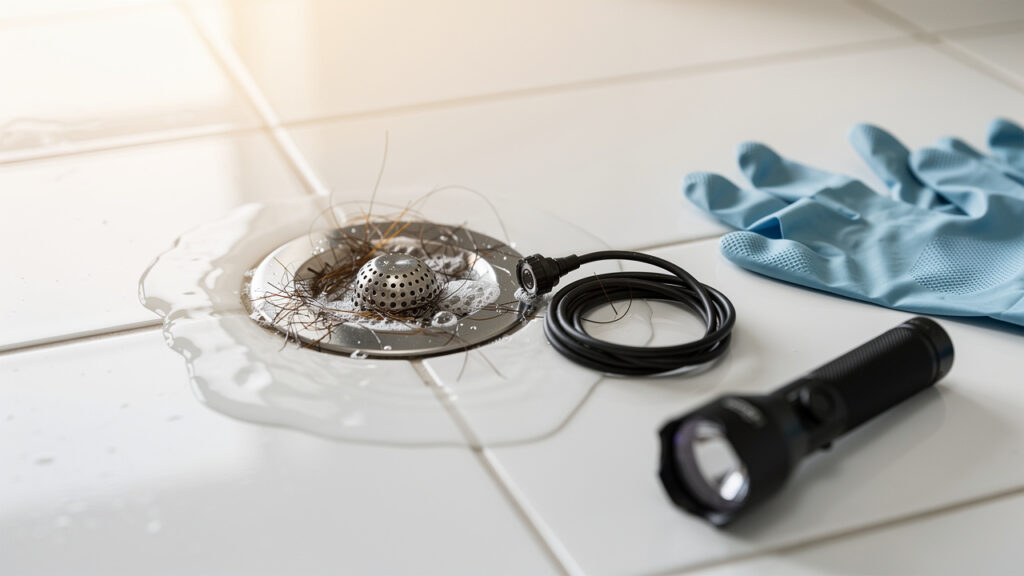
CCTV drain cameras and pipe locators for suspected underground or drainage problems
Research from the CSIRO has shown that corrosion and poor installation are major contributors to plumbing failures in older buildings, which is why careful diagnosis matters CSIRO.
Repair methods range from small cut-and-replace sections through to rerouting and full pipe replacement:
-
For an accessible burst water pipe under a sink or in a wall cavity, plumbers usually cut out the damaged section and fit new compliant pipe and fittings.
-
Where pipes run under slabs or within tight risers, rerouting new pipework through ceilings, roof spaces or external walls can be more reliable.
-
In older, heavily corroded systems, partial or full repiping often gives better long term value than repeated patching.
All work is carried out by QBCC licensed plumbers and complies with AS/NZS 3500 and the National Construction Code. MJP Plumbing can supply photos, test results and compliance documentation to support insurance claims and builder handovers.
Preventing Future Pipe Failures
Preventing future pipe failures in Sunshine Coast properties involves regular inspections, pressure control and timely upgrades to ageing components. A bit of planned maintenance usually costs far less than another emergency callout and major water damage repair.
Practical Prevention Tips For Homes, Rentals And Businesses
Key steps that help prevent the next burst pipe emergency include:
-
Regular plumbing check ups
Annual or bi-annual inspections let a licensed plumber look for early signs of corrosion, movement, noisy pipes and slow leaks. Flexi hoses under sinks, vanities and toilets should be checked for rust, bulging or kinks and replaced before they split. Property managers can align these visits with smoke alarm checks to keep disruption low. -
Pressure and hot water management
A pressure limiting valve at the property entry protects pipes, flexi hoses and appliances from excessive mains pressure. Hot water systems and relief valves should be sized and set correctly so expansion pressure is controlled. Guidance from Queensland Urban Utilities and similar water providers notes that uncontrolled high pressure is a common factor behind broken water pipes and leaks Queensland Urban Utilities. -
Upgrading vulnerable materials
Upgrading ageing plumbing helps older homes and commercial sites cope with modern conditions. Replacing galvanised or badly corroded copper lines with modern compliant materials improves both reliability and water quality. Flexible braided hoses should generally be changed every 5 to 10 years or sooner if any wear appears, and UV rated products should be used for external pipework.When planning new kitchens, bathrooms or renovations, involve a licensed plumber early so pipe routes and isolation points are practical and accessible for future maintenance and water leak repair.
-
Landscape and site care
Plant large trees away from mains and house services, and always use Dial Before You Dig before excavating for pools, fences or retaining walls. MJP Plumbing offers preventative maintenance plans for homeowners, body corporates and commercial portfolios across the Sunshine Coast, helping clients avoid repeat burst pipe events and supporting long term water damage prevention.
FAQs
Question: What Should I Do First If A Pipe Bursts In The Middle Of The Night?
The first steps are to turn off your water at the mains and stay clear of electricity. Once water stops, move belongings out of wet rooms and place towels or buckets to limit spread. Then call a 24/7 emergency plumber Sunshine Coast such as MJP Plumbing and wait in a safe, dry area.
Question: How Much Damage Can A Burst Pipe Cause If I Don’t Act Quickly?
A burst pipe that runs unchecked can soak walls, ceilings, flooring and cabinetry within minutes, sometimes causing structural swelling and long term mould. Water can reach electrical systems and subfloors, which increases repair costs sharply. Fast shut off at the mains and prompt burst pipe repair usually keeps damage much smaller and easier to fix.
Question: Can I Stay In My House After A Burst Pipe?
You can sometimes stay in the house if power is safe, essential water is restored and only limited areas are wet. If ceilings, wiring or key facilities like bathrooms are badly affected, your insurer or builder may suggest temporary accommodation. MJP Plumbing can advise on plumbing safety, while insurers decide on overall habitability.
Question: Do I Need A Plumber Or An Insurance Company First For A Burst Pipe?
For an active water pipe burst emergency, call a licensed plumber first so the leak is stopped and the property is made safe. Once the situation is under control, contact your insurer and provide the plumber’s report, photos and invoices. Most insurers expect owners to act promptly to prevent further damage before lodging a claim.
Question: How Long Does It Take To Repair A Burst Pipe?
Simple, accessible bursts, such as a damaged flexi hose under a vanity, can often be repaired in one to two hours. Hidden bursts under slabs, inside walls or in older corroded systems may take longer and sometimes need follow up works or rerouting. MJP Plumbing aims for a first time fix where practical and will explain timing before starting pipe repair.
Question: Are Burst Pipes Covered By Home Or Landlord Insurance?
Many building and landlord insurance policies cover sudden and accidental water damage from burst pipes, but often exclude long term leaks or poor maintenance. Contents and body corporate policies may respond differently. It is wise to check your policy wording and always use a licensed plumber who can provide reports, photos and compliance evidence to support any claim.
Conclusion: Moving Forward With Confidence After A Burst Pipe
A burst pipe emergency feels stressful, but calm, simple steps bring it under control quickly. Turn off your water at the mains, keep everyone safe around electricity, call a licensed emergency plumber and protect your belongings while you wait. These actions limit damage and give your plumber the best chance of a clean, efficient repair.
Most Sunshine Coast homes and businesses can recover well from a burst once the source is fixed and wet areas are dried correctly. The bigger opportunity comes afterwards, when you and your plumber look at what caused the failure. Pressure checks, flexi hose replacement, hot water upgrades and targeted repiping reduce the chance of facing the same chaos again.
MJP Plumbing brings more than a decade of Sunshine Coast experience to burst pipe repair, leak detection, emergency plumbing services and water damage prevention. Homeowners, property managers and business owners can save the emergency number, arrange a valve check and book a preventative inspection if they have ageing or at-risk pipework. That way, the next heavy storm or busy weekend is far less likely to end with water pouring through the ceiling.