
It’s a familiar sinking feeling for many Sunshine Coast homeowners: opening the water bill only to find it’s jumped significantly, leaving you wondering, “Why water bills keep rising when my usage feels the same?” This unexpected increase often signals a hidden plumbing issue, such as undetected leaks or inefficient fixtures, silently draining your finances and wasting precious resources.
Pinpointing these problems early is important for both your budget and the health of your home’s plumbing system.
Rising water bills are often caused by hidden leaks in toilets, taps, or underground pipes. Inefficient fixtures, old appliances, and wasteful outdoor watering habits also contribute significantly. Performing a water meter check and inspecting your fixtures can help identify the source of the problem.
That moment of shock can quickly turn to frustration. You mentally retrace your steps: have the showers been longer? Did the kids leave a sprinkler on? When the answers don’t add up, a sense of helplessness can set in. You’re paying for water you’re not even aware of using. This guide will walk you through the common culprits behind a surprise bill spike, empowering you to find the source and take back control of your water consumption.
Key Takeaways
-
Hidden leaks, particularly from toilets, taps, and underground pipes, are the most frequent reasons for unexpectedly high water bills on the Sunshine Coast. These seemingly small drips can waste thousands of litres of water over a single billing period.
-
Inefficient or outdated plumbing fixtures, such as old toilets and high-flow showerheads, along with outdoor water use for gardens and pools, significantly contribute to overall consumption. Upgrading to modern, water-efficient models provides substantial long-term savings.
-
Regularly checking your water meter and fixtures can help you catch problems early. For issues you can’t see or solve yourself, professional plumbing intervention from a trusted local expert is essential to save money and prevent costly water damage to your property.
The Silent Culprits: Hidden Leaks Driving Up Your Water Bill
One of the most common reasons for a sudden spike in your water bill is a leak you can’t even see. While a burst pipe is impossible to ignore, many leaks are far more subtle, quietly adding to your water consumption day and night. These silent culprits are not just a drain on your finances; if left unchecked, they can lead to mould growth, structural damage, and costly repairs down the track. Understanding where these hidden leaks often occur is the first step in protecting your home and your wallet from unnecessary expenditure and potential property damage.
Leaky Toilets And Dripping Taps: The Everyday Wasters
The most frequent offenders are often the fixtures you use every day. A constantly running toilet is a notorious water waster. This issue is typically caused by a faulty flapper valve or fill valve inside the cistern, which allows water to continuously trickle from the tank into the bowl. Wear and tear, mineral deposits, or improper installation can all cause these valves to fail. A single leaking toilet can waste between 200 to 750 litres of water daily, adding up to thousands of litres over a year. You can perform a simple check yourself:
-
Lift the toilet tank lid.
-
Add a few drops of food colouring to the water in the tank.
-
Wait 15-20 minutes without flushing.
-
If colour appears in the bowl, you have a leak.
Similarly, a dripping tap or showerhead might seem like a minor annoyance, but its impact is significant. A tap that drips just one drop per second can waste over 10,000 litres of water annually. These drips are usually caused by worn-out washers, seals, or O-rings inside the faucet. While some minor DIY fixes are possible, if you’re not confident or the problem persists, it’s best to call a professional. At MJP Plumbing, we can quickly replace these components, stopping the waste and saving you money on your next bill.
Hidden Pipe Leaks: The Insidious Threat
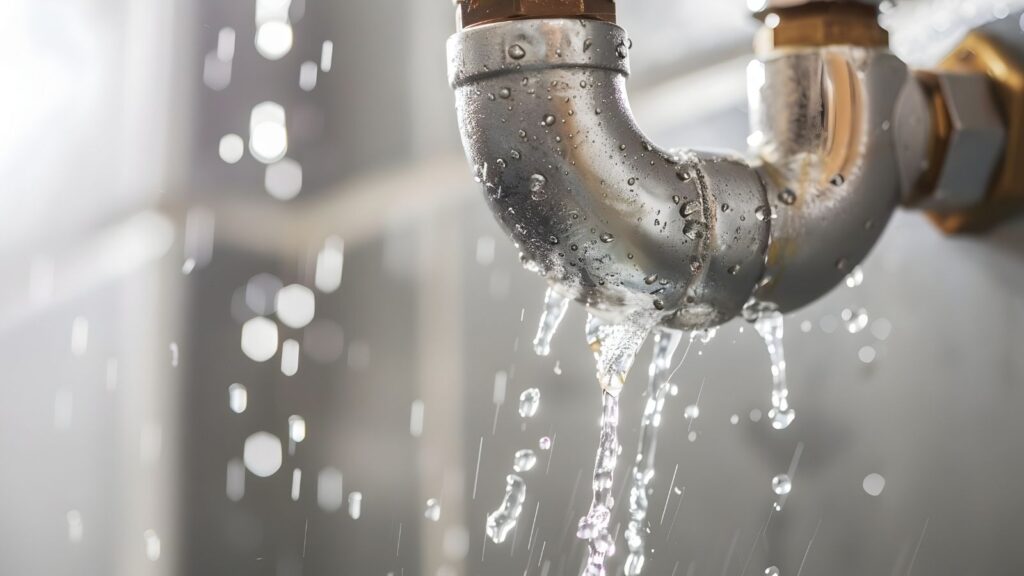
More concerning are the leaks that occur out of sight. Leaks in pipes located underground, behind walls, or under floors can go undetected for months, causing extensive damage and driving up your bill.
-
Underground Leaks: Leaks in your main water line, often beneath your yard or driveway, may reveal themselves through:
-
Soggy patches in your lawn, even during dry weather.
-
A sudden drop in water pressure throughout your home.
-
The constant sound of running water when all taps and appliances are off.
These leaks not only waste a massive amount of water but can also damage your home’s foundation and landscaping, leading to expensive repairs.
-
-
Leaks Within Walls or Ceilings: These hidden leaks present different signs, such as:
-
Damp spots or discoloured paint on walls or ceilings.
-
Bubbling plaster or peeling wallpaper.
-
A persistent musty odour, indicating mould growth.
These are often caused by pipe corrosion, failed fittings, or impact damage and pose a serious risk to your home’s structure and your family’s health.
-
-
Hot Water System Leaks: Your hot water system can also be a source of hidden leaks, with puddles around the unit or constant dripping from its valves being key warning signs. This has a double impact, wasting water while also increasing your energy bill as the system works overtime to heat the replacement water.
Accurately locating these hidden leaks requires specialised equipment and expertise. MJP Plumbing uses advanced leak detection tools such as acoustic listening devices, thermal imaging cameras, and non-invasive methods to pinpoint the source precisely. This minimises guesswork and unnecessary damage during the repair process, ensuring a faster, more effective fix.
“The unseen drain on your finances from a hidden leak can be far more significant than the visible drips,” states a spokesperson for the Australian Institute of Plumbing. “Being vigilant for subtle signs can save homeowners substantial money and prevent extensive property damage.”
Your Habits And Hardware: Inefficient Usage And Old Fixtures
Sometimes, the reason your water bills keep rising isn’t a single leak but a combination of daily habits and outdated plumbing hardware. Changes in your household’s routine or reliance on old, inefficient fixtures can dramatically increase your water consumption without you realising it. Evaluating your usage patterns and the efficiency of your appliances is a key step in managing your water costs effectively.
Understanding Your Water Consumption Patterns
It’s important to consider if your household’s water usage has genuinely increased.
-
Household Size: Have you had guests staying over for an extended period? An increase in occupants, even temporarily, means more showers, more toilet flushes, and more laundry loads.
-
New Routines: Have family members started new hobbies that require more water, like extensive gardening or increased car washing? Teenagers discovering the joy of long showers or more frequent use of water-intensive appliances can quickly add up.
-
Seasonal Changes: Here on the Sunshine Coast, seasonal changes also have a noticeable impact. During the warmer, drier months, we naturally use more water for extra showers, filling up the pool, and keeping the garden alive, all of which will be reflected in your bill.
Being aware of these factors can often explain a portion of a higher bill.
Outdated And Inefficient Fixtures And Appliances
Your home’s hardware could be working against your efforts to save water.
-
Toilets: Older toilets are particularly wasteful, using as much as 12 to 20 litres per flush. In contrast, modern dual-flush toilets use as little as 3 litres for a half flush and 4.5 litres for a full one. Over a year, the savings for an average Sunshine Coast family are substantial.
-
Showerheads and Taps: The same principle applies to showerheads and taps. Old, high-flow fixtures can pump out far more water than necessary, whereas new WELS-rated, low-flow options maintain great pressure while using significantly less water. The Water Efficiency Labelling and Standards (WELS) scheme helps consumers choose products that save water and money.
-
Hot Water Systems: Your hot water system’s efficiency also matters. An older storage tank can lose heat and be forced to work harder, while sediment build-up can reduce its effectiveness, leading to both higher water and energy use.
-
Laundry and Dishwashers: Even older washing machines and dishwashers are known water guzzlers compared to newer, high-efficiency models designed to minimise water consumption.
Upgrading these key fixtures is an investment in long-term savings that can quickly pay for itself. If you’re noticing your bills climbing without a visible leak, or suspect your appliances are simply too old, it might be time for a professional assessment. Contact MJP Plumbing today for a water efficiency audit and a no-obligation quote on upgrading your fixtures to save money in the long run.
Outdoor Water Use: Managing Your Garden And Pool
For many properties on the Sunshine Coast, outdoor water consumption accounts for a large portion of the quarterly bill. From keeping the lawn green to topping up the pool, our climate often necessitates significant outdoor water use. However, inefficient practices can lead to a huge amount of waste, turning your backyard oasis into a financial drain. Adopting smarter strategies for managing your garden, lawn, and pool is essential for keeping bills under control.
Smart Strategies For Outdoor Water Consumption
Effective water management starts with how and when you water your garden. Many people overwater their lawns and plants out of habit, but most established gardens don’t require daily watering.
-
Watering Time: The best time to water is in the early morning or late evening, especially in the Queensland heat, as this minimises evaporation and allows the water to soak into the soil effectively.
-
Irrigation Systems: Consider switching from traditional sprinklers to a drip irrigation system, which delivers water directly to the plant roots where it’s needed most, reducing wastage.
-
Mulch: Applying a thick layer of mulch around your plants and garden beds helps retain precious soil moisture, significantly reducing the need for frequent watering.
-
Leak Checks: Don’t forget to regularly check your outdoor taps and hoses for any leaks or drips, as these are common and often overlooked sources of waste.
Swimming pools are another major water consumer, primarily through evaporation.
-
Pool Covers: Using a pool cover can dramatically reduce water loss, especially during hot and windy weather.
-
Filter Backwashing: While backwashing your filter is necessary, doing it too frequently wastes a lot of water, so stick to an optimal schedule recommended by your pool professional.
-
Pool Leaks: If you find yourself having to top up the pool more often than usual, it could be a sign of a leak in the pool’s structure or plumbing. This warrants an immediate inspection.
Finally, be mindful of water use for tasks like washing the car or pressure cleaning the driveway. Adopt water-wise methods or use a commercial car wash that recycles its water to minimise your impact.
Beyond Your Plumbing: Checking Your Water Meter And Bills
While leaks and inefficient fixtures are the most common causes of high water bills, it’s occasionally possible that the issue lies with the meter itself or the billing process. Before assuming the worst about your home’s plumbing, it’s wise to use your water meter as a diagnostic tool and to understand how to read your bill correctly. This can help you confirm a problem exists or identify a simple administrative error.
Your Water Meter: The First Line Of Defence
Your water meter is the single best tool for determining if you have a hidden leak on your property. The process is straightforward:
-
Locate your water meter and take an initial reading of the numbers (and the small dial, if present).
-
Ensure every single water source in and around your home is turned off—no taps running, no toilets flushing, and no dishwasher or washing machine in use.
-
Wait for one to two hours, then go back and read the meter again.
-
If the numbers have changed, even slightly, it confirms you have a leak somewhere on your property.
While it’s rare, water meters can sometimes malfunction or be misread. If you’ve done this test and are certain no water was used, yet your bills remain inexplicably high, you can contact your local water provider to request a meter accuracy test. This can confirm if the meter itself is faulty.
Understanding Your Water Bill
Sometimes a high bill isn’t caused by a leak but by the billing cycle itself.
-
Actual vs. Estimated Readings: Check your bill to see if it’s based on an “actual” or an “estimated” reading. If your provider couldn’t access your meter in a previous period, they may have issued a low estimated bill. The current bill, based on an actual reading, will then seem much higher as it catches up on the shortfall from the previous period. For example, if you were undercharged for two quarters, the third bill could reflect three quarters’ worth of usage.
-
Tariff Changes: It’s also worth checking for any recent changes in water rates. Utility companies in Queensland occasionally adjust their tariffs, and an increase in the cost per litre will naturally lead to a higher bill, even if your consumption hasn’t changed. Always review the itemised breakdown of your water charges.
If your meter check confirms a leak, or you’re unsure about your bill’s accuracy, it’s time to get professional help. Don’t let a hidden issue turn into a costly repair. Reach out to MJP Plumbing – your local Sunshine Coast plumbing experts – for prompt, reliable leak detection and repair services.
Conclusion
A rising water bill is more than just a hit to your budget; it’s often a warning sign from your home’s plumbing system. From the silent trickle of a faulty toilet to an unseen leak in a pipe behind a wall, these issues waste precious water and can lead to significant property damage if ignored. By being proactive—regularly checking your fixtures, understanding your usage patterns, and using your water meter as a diagnostic tool—you can catch many problems early. For those hidden issues that require a trained eye and specialised equipment, professional help is essential for a lasting resolution.
From diagnosing a tricky leak behind your walls to upgrading your home with water-efficient fixtures, MJP Plumbing is here to help Sunshine Coast residents save water and money. Don’t wait for your next bill to give you a shock – contact MJP Plumbing today for expert advice and reliable plumbing assistance!
Sick Of Wondering Why Water Bills Keep Rising?
If your water bills keep creeping up with no clear reason, there’s a good chance hidden leaks or inefficient fixtures are quietly costing you money every single day.
Whether you’re:
-
Noticing unexplained spikes in your water bills
-
Suspecting a hidden leak in your home
-
Or wanting to reduce water waste and lower your costs
Getting expert advice now can save you significantly in the long run.
At MJP Plumbing, we specialise in finding the real reason why water bills keep rising and fixing the issue fast:
-
Advanced leak detection to uncover hidden problems
-
Fast repairs to stop water waste immediately
-
Expert advice on upgrading to water-efficient fixtures
-
Reliable local service across the Sunshine Coast
👉 Contact MJP Plumbing today for a professional inspection and no-obligation quote.
Or, if you’re ready to take control of your water costs:
👉 Book a leak detection or plumbing check and start saving today
FAQs
Why Does My Water Bill Keep Rising Even Though I Don’t See Any Leaks?
Many of the most costly leaks are hidden from view. A constantly running toilet, a small leak in a pipe inside a wall, or a crack in an underground water line can waste thousands of litres without any obvious signs. Your water meter is the best tool to confirm a hidden leak.
How Can MJP Plumbing Help Me Reduce My High Water Bill?
We provide expert leak detection services to find hidden water waste. We then perform professional repairs and can upgrade your home with water-efficient fixtures and modern hot water systems to lower your overall consumption and save you money.
What’s The First Thing A Sunshine Coast Homeowner Should Do If Their Water Bill Spikes?
First, perform a water meter test by turning off all water and checking if the meter still moves. Next, visually inspect your toilets, taps, and showerheads for any drips. If the problem isn’t obvious, call MJP Plumbing for a professional diagnosis and expert assistance.