
A toilet keeps running when water continues leaking from the cistern into the bowl or the inlet valve keeps refilling the tank. Common causes include a worn outlet valve seal, faulty inlet valve, stuck float, incorrect water level or sticking flush button. Fixing it early can reduce water waste and avoid higher water bills.
This guide explains the common causes, how to diagnose the issue, and what you can fix yourself.
Understanding why your toilet won’t stop running, from common internal leaks to faulty valves, is the first step towards a fix. While some minor issues can be a simple DIY adjustment, knowing when to call a licensed plumber like MJP Plumbing helps achieve a lasting repair and provides peace of mind for your Sunshine Coast home. Let’s explore how to stop that money from going down the drain.
Key Takeaways
-
A running toilet wastes hundreds of litres of water daily, increasing your water bill.
-
Common causes include worn flush valve seals, faulty inlet valves, or incorrect water levels.
-
Simple diagnostic tests, like the food colouring test, can identify the source of a leak.
-
While some minor fixes are DIY, complex issues and concealed cisterns require professional plumbing.
-
MJP Plumbing offers expert repairs, preventative maintenance, and water-efficient upgrades across the Sunshine Coast.
Jump to section
- Why Is My Toilet Running? Understanding The Common Culprits
- How Can I Tell If My Toilet Is Leaking? A DIY Diagnostic Checklist
- Can I Fix a Running Toilet Myself? Simple Troubleshooting For Sunshine Coast Homes
- When Should You Call a Plumber For a Running Toilet?
- How Can MJP Plumbing Help With Running Toilets On The Sunshine Coast?
- Stop The Flow And Save Your Sunshine Coast Home
- Frequently Asked Questions
Why Is My Toilet Running? Understanding The Common Culprits
A toilet that keeps running is almost always caused by a problem inside the cistern, which is the tank that holds the water. The issue typically stems from a failure in either the inlet valve that fills the tank or the flush valve that releases water into the bowl. When these components don’t work together perfectly, water continuously flows, leading to waste and that constant, irritating sound.
Understanding the basic mechanics of your toilet cistern is the first step for any Sunshine Coast homeowner looking to solve the problem. Identifying whether the issue is a simple calibration error or a worn-out part helps you decide if it’s a quick fix or a job for a professional. Getting to know these parts will help you troubleshoot effectively and explain the problem clearly if you need to call for expert help.
What Are The Main Parts Inside My Toilet Cistern?
Your toilet cistern might seem complicated, but it operates on a few key parts working in harmony. The isolation tap (often called a mini cistern stop) is the small tap on the wall that controls the water supply to your toilet, allowing you to turn it off for repairs. Inside, the inlet valve (or fill valve) is responsible for refilling the cistern with water after you flush. In older homes, you might see a “ballcock” type with a large float on an arm, while newer toilets have more compact vertical float designs.
The float mechanism is connected to the inlet valve and rises with the water level, signalling the valve to shut off when the tank is full. At the bottom of the cistern is the flush valve (or outlet valve), which releases the water into the pan when you press the flush button. This valve is sealed by an essential rubber part called a seating washer (sometimes called a flapper in older models). Finally, the overflow tube is a safety feature that directs excess water into the pan if the inlet valve fails, preventing a flood on your bathroom floor.
How Do Worn Components And Incorrect Settings Lead To Water Waste?
Continuous water waste from a running toilet happens when one of its internal parts fails or is set incorrectly. The most common problem is a degraded seating washer. Over time, exposure to water and chlorine causes this rubber seal to warp, blister, or harden, preventing it from creating a watertight seal and allowing water to constantly trickle into the bowl. This is often made worse by chemical drop-in cleaners.
Another frequent issue is a faulty inlet valve. Debris or sediment from the Sunshine Coast water supply can get lodged inside, stopping it from closing completely. This causes the cistern to overfill, with water pouring down the overflow tube. Similarly, an incorrect float height, where the float is set too high, will cause the water level to rise above the overflow tube before the inlet valve is told to shut off. In modern dual-flush toilets, sticking flush buttons or misaligned plastic rods can hold the flush valve open. Lastly, some Sunshine Coast suburbs experience high mains water pressure, which can force the inlet valve open and cause a constant flow.
How Can I Tell If My Toilet Is Leaking? A DIY Diagnostic Checklist
Pinpointing the exact cause of a running toilet can be straightforward with a systematic approach. A few simple tests can help any Sunshine Coast homeowner determine if the water is leaking from the flush valve into the toilet bowl or if the inlet valve is causing the cistern to overflow. This diagnostic process is safe and requires no special tools.
Knowing where the problem lies is the most important step before attempting any repair. An effective diagnosis will help you understand whether you are dealing with a silent leak that slowly wastes water or a more obvious overflow issue. Simple methods like the food colouring test provide clear evidence of even the smallest leaks, empowering you to make an informed decision about your next steps.
What’s That Sound? Identifying Visible And Invisible Leaks
To identify visible and invisible leaks, follow these steps:
-
Listen for sounds: A toilet constantly running might produce a continuous hissing sound, indicating the inlet valve is always on. Alternatively, you might hear “phantom flushes,” where the toilet refills for a few seconds every so often without being used; this points to a slow leak from the cistern into the bowl.
-
Look inside the cistern: Next, remove the cistern lid and look inside. If you can see water flowing over the top of the central overflow tube, the problem is with the filling mechanism.
-
Perform the food colouring test: For leaks that are not obvious, the food colouring test is the best method. Simply add a few drops of dark food colouring to the water in your cistern. Do not flush the toilet. After about 15 to 30 minutes, check the water in the toilet bowl. If any of the colour has appeared in the bowl, you have confirmed a slow leak past the flush valve seal.
-
Check for puddles: While you are checking, it is also wise to inspect the area around the base of the toilet for any puddles, as this could signal a different problem that needs a plumber’s attention.
Checking Your Cistern’s Water Level And Isolation Tap
To check your cistern’s internal components, you must first safely remove the lid. For modern dual-flush systems, you may need to gently unscrew or pop out the button assembly before lifting the heavy ceramic top. Place it on a towel to prevent chipping.
-
Observe the water level: Once inside, observe the water level. It should sit about 20-25mm below the top of the overflow tube. If the water is at or above the top of this tube, you have an inlet valve or float problem.
-
Perform the isolation valve test: Next, perform the isolation tap test. Find the mini cistern stop tap on the wall and turn it clockwise until it is off.
-
If the sound of running water stops immediately, the fault lies with the inlet valve.
-
If you turn off the tap and water continues to leak into the bowl (and the water level in the cistern slowly drops), the problem is a faulty flush valve seal.
-
-
Know when to stop checking: This simple test is highly effective at isolating the issue. If you feel uncertain at any point or the problem seems more complex, it is best to stop and avoid causing more damage. Call a plumber when you are unsure or if the issue persists.
Can I Fix a Running Toilet Myself? Simple Troubleshooting For Sunshine Coast Homes
For many common running toilet issues, a bit of DIY troubleshooting can solve the problem and save you the cost of a professional call-out. Many fixes involve simple adjustments or basic cleaning that don’t require specialised plumbing knowledge. By tackling these minor problems, Sunshine Coast homeowners can quickly stop unnecessary water waste.
The key to a successful DIY repair is correctly identifying the problem first. Simple tasks like adjusting the float mechanism to correct the water level or clearing a small piece of debris from the inlet valve are well within the reach of most people. These small actions can have a big impact, restoring your toilet to proper working order and giving you peace of mind.
Adjusting The Float For Correct Water Levels
If your diagnostic tests showed the water level in the cistern is too high and spilling into the overflow tube, adjusting the float is your first step.
-
Older toilets (ballcock arm): The type of adjustment depends on the style of your inlet valve. For older toilets with a ballcock arm, you can often gently bend the brass arm downwards slightly. This makes the float sit lower, signalling the valve to shut off the water sooner.
-
Modern toilets (float cup): For most modern toilets on the Sunshine Coast, you will find a more compact float cup that moves up and down a vertical shaft. Look for a long plastic adjustment screw connected to this float. Using a screwdriver, turning this screw (usually anti-clockwise) will lower the float’s resting position.
-
Test the adjustment: After making an adjustment, flush the toilet and let the cistern refill. Watch to confirm the water now stops at the correct level, about 20mm below the top of the overflow tube.
Clearing Minor Obstructions And Checking Flush Buttons
If your toilet keeps running slowly, debris caught in the inlet valve diaphragm is a likely cause.
-
Clear inlet valve obstructions:
-
First turn off the water at the isolation tap and flush the toilet to empty the cistern.
-
Next, locate the cap on top of the inlet valve; most can be removed with a firm push down and a quarter-turn.
-
Inside, you will find a small rubber diaphragm seal. Remove it and rinse it thoroughly under a tap.
-
Before reassembling, hold a cup over the open valve and briefly turn the water back on for a second to flush out any trapped grit, then turn it off again.
-
Reassemble the valve and test it.
-
-
Check flush buttons: Another common problem is sticking flush buttons. If your toilet stops running when you jiggle the buttons, they might be the issue. Remove the cistern lid and check the plastic rods underneath. Confirm they have a small 2-3mm gap above the flush mechanism and are not constantly pressing down on it. Cleaning any grime from the button housing can also help them move freely.
When Should You Call a Plumber For a Running Toilet?
While some running toilet issues are simple DIY fixes, many situations require the skills, tools, and experience of a licensed professional. Attempting complex repairs without proper knowledge can lead to bigger problems, like cracked porcelain or major water damage. For Sunshine Coast homeowners and property managers, knowing when to call a plumber is key to a safe and effective solution.
Persistent leaks, complex modern systems like concealed cisterns, or any issue that doesn’t resolve with basic troubleshooting are clear signs it’s time for professional help.
Engaging an expert like MJP Plumbing not only guarantees a correct repair but also helps achieve work that is compliant with Australian standards, protecting your property and providing lasting peace of mind.
Dealing With Complex Systems Like Concealed Cisterns And Advanced Repairs
Modern bathroom designs often feature concealed cisterns, where the tank is hidden inside the wall. If a concealed cistern has a toilet running water constantly, it is a job strictly for professionals. Access is limited to a small panel behind the flush plate, and repairs require specialised tools and knowledge of brands like Geberit or Grohe. Attempting a DIY fix risks dropping parts inside the wall or causing a hidden leak that could lead to severe structural damage. MJP Plumbing has the specific expertise to service these advanced systems safely.
Furthermore, replacing entire valve assemblies can be tricky. The Australian market has dozens of brands like Caroma and Fowler, each with unique parts. A professional plumber can identify the correct, Australian Standards-approved replacement to achieve a perfect fit. If a running toilet is also accompanied by a loud banging noise (water hammer), it signals a larger issue with water pressure in your home’s pipework that requires a professional diagnosis.
The Risks Of DIY And The Value Of Professional Expertise
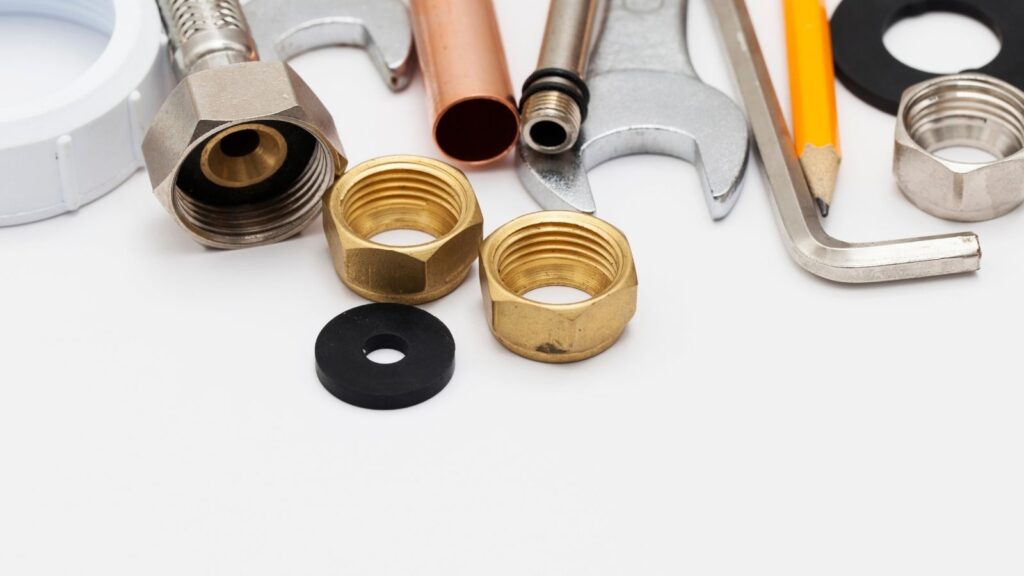
Attempting a complex plumbing repair yourself comes with significant risks. Overtightening a connection can crack the porcelain of your toilet, and incorrectly handling the flexible braided hose connecting the cistern can cause it to burst, leading to catastrophic flooding. In Australia, any unlicensed plumbing work can also void your home insurance policy, leaving you responsible for the full cost of any damage.
Choosing a licensed professional like MJP Plumbing eliminates these risks. Our team is fully licensed, insured, and helps confirm all work complies with Australian Standards (AS/NZS 3500) and QBCC regulations. We focus on finding the root cause of the problem, such as high water pressure, and provide a long-term solution rather than a temporary fix. For property managers on the Sunshine Coast, using a professional service mitigates liability and helps tenant satisfaction with a reliable, expertly repaired toilet.
How Can MJP Plumbing Help With Running Toilets On The Sunshine Coast?
MJP Plumbing offers a complete range of services designed to resolve any running toilet issue for Sunshine Coast residents, renovators, and commercial property managers. From rapid repairs and advanced diagnostics to water-efficient upgrades and preventative maintenance, our team provides solutions delivered with a personal, local touch. We understand the frustration and cost of a toilet that won’t stop running.
Our commitment is to provide effective, lasting solutions that save you money and conserve our region’s water. By combining localised expertise with advanced plumbing technology, we help ensure every job is done right the first time. Our focus on quality, compliance, and customer satisfaction makes us the trusted choice for all your plumbing needs.
Our Comprehensive Repair, Maintenance, And Upgrade Services
At MJP Plumbing, we provide expert diagnosis and repair for all types of running toilets. Our technicians arrive in fully stocked vehicles, prepared to fix faulty inlet valves, replace worn seating washers, and solve leaks in a single visit. We also use state-of-the-art tools for advanced leak detection, helping to find hidden water waste that contributes to high Unitywater bills.
For those renovating or dealing with older, inefficient toilets, we specialise in the installation of modern, WELS-rated low-flow toilets. These upgrades not only solve persistent running issues but also provide significant long-term water savings. For urgent problems that risk property damage, we offer emergency plumbing services across the Sunshine Coast. We also design custom preventative maintenance plans for homes and businesses to service fixtures proactively, preventing future failures.
Preventing Future Issues With Our Localised Expertise And Advanced Solutions
What sets MJP Plumbing apart is our personalised local service. When you work with us, you deal with the same dedicated, licensed professional from start to finish. This approach builds trust and allows us to gain a deep understanding of your property’s specific plumbing system. We focus on a preventative approach, assessing your whole system to recommend improvements that will save you money and prevent future problems.
All our work is guaranteed to be compliant with Australian Standards and QBCC regulations, helping to keep your home insurance valid. We connect our services to tangible benefits for our Sunshine Coast clients, including significant savings on water bills and the peace of mind that comes with a reliable plumbing system. If you have a running toilet or want to schedule preventative maintenance, contact MJP Plumbing for an expert solution.
Stop The Flow And Save Your Sunshine Coast Home
A running toilet is a common household problem, but its impact on your water bill and the environment is significant. By understanding whether the cause is a simple float adjustment or a worn-out valve, you can take the right steps to fix it. While some minor issues are perfect for a DIY approach, it is important to recognise when a problem requires professional expertise.
For a reliable, compliant, and lasting solution, Sunshine Coast homeowners and property managers trust MJP Plumbing. We are committed to providing expert repairs and water-efficient upgrades with a focus on exceptional local service. Don’t let a running toilet drain your wallet. Contact MJP Plumbing today for a professional diagnosis, repair, or preventative maintenance to keep your home’s plumbing in perfect order.
Frequently Asked Questions
Question: How much water does a running toilet actually waste?
A continuously running toilet can waste between 200 and 750 litres of water daily. On the Sunshine Coast, this can add hundreds of dollars to your annual Unitywater bill. Even a very small, silent leak will waste tens of thousands of litres over time.
Question: Can a running toilet cause water damage to my home?
While a running toilet primarily sends water down the drain, a leak from the cistern’s base or the supply hose can cause serious damage. This can affect floors, walls, and subflooring, leading to costly structural repairs and potential mould growth if not addressed quickly.
Question: What does it mean if my toilet constantly refills but hasn’t been flushed?
This is often called a “phantom flush” and signals a slow leak from the cistern into the bowl. It is typically caused by a degraded or faulty flush valve seal (seating washer), which allows the water level to drop and triggers the inlet valve to refill the tank.
Question: Are there different types of toilet valves, and how do I know which one I have?
Yes, toilets have inlet (fill) valves and flush (outlet) valves. Inlet valves range from older ballcock arms to modern float cup designs. Flush valves use either a rubber seating washer or a flapper. A licensed plumber can easily identify the exact type in your toilet.
Question: How often should I replace my toilet’s internal components?
The rubber components inside your cistern are consumable parts. MJP Plumbing recommends replacing the flush valve seal and inlet valve diaphragm every 4-5 years in a home and every 2 years in a high-traffic commercial toilet on the Sunshine Coast to prevent failures.
Question: Can I use chemical drop-in cleaners in my toilet cistern?
MJP Plumbing strongly advises against using chemical drop-in cleaners. These corrosive blocks rapidly destroy the rubber seals and plastic parts inside the cistern. This leads to premature failure of your valves and will almost certainly cause your toilet to run. Clean the bowl directly.