

Leaking Toilet? Stop Water Waste & Damage on the Sunshine Coast
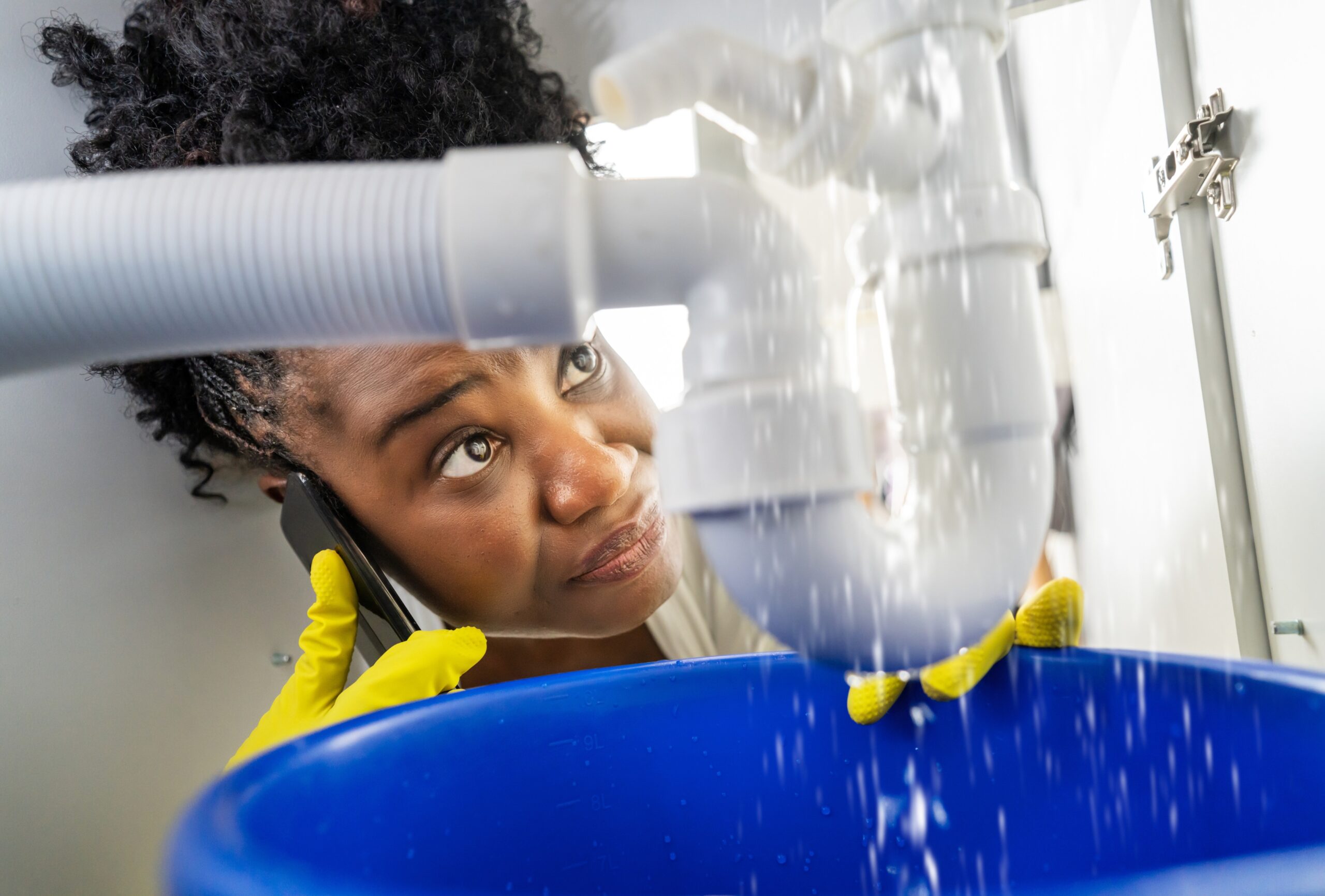
That persistent, barely-there sound of running water from the bathroom isn’t just a minor annoyance. For many Sunshine Coast homeowners and businesses, a leaking toilet or cistern is a common plumbing issue that often goes ignored. However, this seemingly small problem is a silent drain on your finances and a potential threat to your property. These subtle leaks, from constantly running toilets to “phantom flushing” in the middle of the night, can lead to a shocking amount of water wastage, causing your utility bills to climb steadily.
Is Your Toilet Quietly Wasting Leaking Water on the Sunshine Coast?
Beyond the financial sting of a higher water bill, the damage from an unchecked leaking cistern can be far more severe. Water seeping from the base of the toilet can silently destroy flooring, weaken the subfloor structure, and create a damp environment perfect for mould growth. The health of your property and family is at stake. For property developers and business owners on the Sunshine Coast, a leaking loo can mean costly repairs, operational disruptions, and a negative impression on clients or tenants.
As noted by the Leak Facts | WaterSense program, “A single leaky toilet can waste as much as 200 gallons of water per day, equivalent to flushing it 50 times. That’s a significant amount of water and money literally going down the drain.”
This guide is designed to give you a clear understanding of this common plumbing problem. We’ll explore the causes, show you how to detect even the most hidden leaks, and provide simple fix options. More importantly, we’ll explain when it’s time to call in the professionals. At MJP Plumbing, we are committed to helping our local community protect their properties with reliable, expert assistance for any leaking toilet issue.
Key Takeaways
-
A leaking toilet can waste hundreds of litres of water every single day, leading to a significant increase in your water bills.
-
Many leaks are silent but can be found using simple DIY methods, such as the food colouring dye test, to check for a toilet flush leaking water.
-
While some minor adjustments are possible for a homeowner, persistent leaks or any toilet leaking at base almost always require professional toilet leak repair.
-
MJP Plumbing provides expert leak detection and repair services across the Sunshine Coast, offering lasting fixes to protect your property and conserve water.
Understanding Leaking Toilets: Causes, Signs, And The Cost Of Water Waste
A leaking toilet is any instance where water escapes from the toilet, either from the tank into the bowl or from the fixture onto the floor. These issues are broadly categorised into two types, each with its own set of characteristics and potential for damage:
-
Visible Leaks: These are often the easiest to spot, manifesting as puddles, drips, or damp spots around the toilet fixture. They might appear at the base, from the tank’s exterior, or around the supply line.
-
Invisible Leaks: Often called running toilets, these are more deceptive. This is when water quietly seeps from the cistern into the bowl without you ever flushing, usually due to a faulty internal part. This silent water loss is a major culprit behind unexpectedly high water bills on the Sunshine Coast, a region where water conservation is a community-wide responsibility.
The question of how much water does a leaking toilet waste is startling. A moderately running toilet can waste over 200 litres per day, which adds up to thousands of litres and hundreds of dollars on your quarterly bill. This unexpected expense can be a burden for any household or business. The environmental cost is just as significant, putting an unnecessary strain on our local water resources. From MJP Plumbing’s perspective, proactively identifying and repairing these leaks is not just a fix; it’s an important step in responsible property management. Ignoring the problem allows a minor mechanical fault to escalate into a costly financial and structural issue.
Common Causes Of Toilet And Cistern Leaks
Understanding the mechanics of your toilet can help you identify the likely cause of a leak. Most issues stem from the natural wear and tear of a few key components. Here are the frequent culprits:
-
Faulty Flapper or Flush Valve Seal: This rubber component sits at the bottom of the toilet tank. Over time, it can degrade, warp, or become stiff, preventing a tight seal. This allows water to constantly trickle from the tank into the bowl, leading to “phantom flushing” and continuous running.
-
Worn-Out Fill Valve or Ballcock Assembly: This mechanism controls the water refilling the tank after a flush. If it’s faulty, it might fail to shut off the water supply correctly, causing water to run continuously into the overflow tube. This can also lead to a continuously running sound.
-
Deteriorated Tank-to-Bowl Gasket: For visible leaks, this rubber seal located between the toilet tank and the bowl is a common source, causing water coming out from under toilet where these two sections connect. A degraded gasket allows water to escape and collect around the base.
-
Worn Wax Ring: If you notice a toilet leaking at base only when flushed, the culprit is often a worn wax ring. This crucial seal sits at the bottom of the toilet, forming a watertight connection between the toilet’s drain opening and the waste pipe in the floor. A compromised wax ring permits water to escape as it flows into the drainpipe.
-
Cracked Porcelain: While less frequent, a physical crack in the porcelain of the tank or bowl can lead to a persistent leak that requires a full toilet replacement. These cracks can be hairline and difficult to spot, but they will slowly allow water to escape.
Unmistakable Signs Of A Leaking Toilet
Early detection is key to minimising damage and cost. Knowing what to look and listen for can help you address a leak before it causes extensive problems.
-
“Phantom Flushing”: The most common sign of an internal leak. You might hear the toilet refilling itself as if it has just been flushed, even when no one has used it. This sound indicates a leaking cistern slowly losing water into the bowl.
-
Unexpected Spike in Water Bills: If your household or business water usage habits haven’t changed, but your water bills are suddenly higher, a silent leak is a very likely suspect. A running toilet can account for a significant portion of this increase.
-
Constant Running Water Sound: Listen for a subtle, continuous sound of running or hissing water coming from the toilet tank or bowl when the toilet is not in use. This typically points to an issue with the fill valve not shutting off properly.
-
Visible Water or Dampness: Any water under toilet base or dampness around the fixture is a red flag. This is particularly concerning if you see a toilet leaking from the base when flushed, which often signals a compromised wax ring.
-
Musty Odours or Mould Growth: Don’t ignore musty odours or the sight of mould growth around the toilet. These indicators point to prolonged moisture in an area that should be dry, suggesting a long-standing leak that may have caused hidden damage.
-
Toilet Overflow Pipe Dripping: Check inside the tank to see if the toilet overflow pipe dripping water is occurring. If water is constantly flowing into this pipe, it is a sure sign that your fill valve is not shutting off correctly, leading to constant water waste.
Your DIY Guide To Detecting And Quick Fix Options For Leaks
Before you pick up the phone to call a plumber, there are several effective diagnostic tests you can perform yourself to confirm a leaking toilet. Empowering yourself with these simple detection methods can help you understand the problem and, in some minor cases, apply a quick fix. This proactive approach can prevent small issues, like a simple running toilet, from turning into more serious and expensive problems.
These steps are designed to be safe and straightforward for any homeowner or business owner. However, it is important to know the limits of DIY repairs. While some adjustments are simple, attempting a detailed fix without the proper knowledge or tools can often make the situation worse, potentially leading to significant water damage. This guide will help you confidently identify the problem and decide on the best course of action.
Step-By-Step Leak Detection Methods
Identifying a leak precisely is the first step towards resolving it. Here’s how you can check:
-
The Dye Test for Internal Leaks: This is the most effective way to identify a silent internal leak.
-
Remove the cistern lid.
-
Add a few drops of food colouring (dark colours like blue or red work best) to the water inside the tank.
-
Wait for 15-30 minutes without flushing the toilet.
-
If you see the coloured water appearing in the toilet bowl, you have confirmed a leak, usually from a faulty flapper valve.
-
-
Visual Inspection:
-
Examine the toilet’s exterior, base, and connections for any visible signs of moisture. Look for puddles, drips, or damp spots. Pay close attention to the area where the tank meets the bowl and around the water supply line. Any water under toilet base is a clear indicator.
-
Check inside the tank to see if the toilet overflow pipe dripping water is occurring. This indicates the tank is overfilling, often due to a malfunctioning fill valve.
-
-
Audible Inspection:
-
Listen carefully for any sounds of running, trickling, or hissing water when the toilet is not in use. A constant sound often points to a fill valve issue that keeps the tank subtly refilling.
-
-
Water Meter Test (for elusive leaks): If you suspect a leak but can’t find it directly at the toilet, your water meter can confirm its existence.
-
Turn off all water-using appliances and taps in your property.
-
Take a reading from your water meter.
-
Wait 30 minutes to an hour without using any water.
-
Check the meter again. If the reading has changed, you have a leak somewhere in your plumbing system, and the toilet is a prime suspect.
-
Temporary Fixes And What To Avoid
For some minor issues, a temporary fix is possible, giving you time before a professional repair.
Simple Adjustments You Can Try:
-
Flapper Chain Adjustment: If the dye test revealed a flapper leak, check the flapper chain. If it’s too tight or tangled, it can prevent the flapper from sealing properly. Adjusting it to have a slight bit of slack (about half an inch) can sometimes solve the problem by allowing the flapper to drop completely.
-
Fill Valve Float Adjustment: If the water level in your tank is too high and constantly flowing into the overflow tube, you may be able to adjust the fill valve float downwards. This reduces the water level in the tank, stopping the continuous flow into the overflow. Most fill valves have a simple screw or clip for this adjustment.
What To Avoid (And Why):
-
Never Overtighten Bolts or Connections: Applying excessive force to bolts or connections can easily crack the porcelain of the toilet tank or bowl, creating a much bigger, more expensive problem that will require replacement. Tighten until snug, then a quarter turn more.
-
Do Not Ignore Cracks: A visible crack in the toilet bowl or tank cannot be patched reliably with DIY sealants. This type of damage requires professional replacement of the affected part or the entire toilet.
-
Do Not Attempt to Lift a Leaking Toilet at the Base: A toilet leaking at base that requires lifting the toilet to address the wax ring is not a DIY-friendly task. This job involves careful removal, thorough cleaning of the flange, correct placement of a new wax ring, and precise reinstallation to ensure a proper, watertight seal. Improper handling can lead to serious water damage, instability, or even cracking the toilet.
-
Using Improper Sealants: Avoid trying to patch leaks with silicone caulk or other sealants on internal components or cracks. These are temporary at best and often fail quickly, potentially making the actual repair more difficult for a professional.
“Many home maintenance tasks can be done yourself, but plumbing repairs, especially those involving water lines or waste systems, often require specialized knowledge and tools,” advises a seasoned plumber. “Knowing when to call an expert can save you time, money, and a lot of headaches.”
MJP Plumbing: Expert Fixes For Lasting Leak Repair On The Sunshine Coast
While DIY diagnostics are valuable, many types of leaking toilet problems demand the experience and tools of a licensed professional. Moving from a simple check to a full repair requires an understanding of plumbing systems to avoid causing further damage. MJP Plumbing provides expert, lasting toilet leak repair services across the Sunshine Coast, making certain the job is done right the first time.
“Proactive plumbing maintenance and timely repairs are not merely about fixing problems; they are about preserving the integrity of your property and conserving vital resources,” states a leading industry expert.
Our approach focuses on not just fixing the immediate issue but providing a comprehensive approach that prevents future problems. We recognize the specific plumbing needs of Sunshine Coast homes and businesses and are committed to delivering quality workmanship and cost-effective outcomes. When your DIY attempts fall short, our team is ready to provide prompt and reliable service.
When To Call A Professional Plumber
Deciding when to call a plumber for leaking toilet services is key to preventing minor issues from becoming major disasters. Here are clear indicators that it’s time to bring in the experts:
-
Failed DIY Efforts: If your initial DIY efforts (like flapper or float adjustments) don’t stop the leak, or if you simply cannot identify the source of the water.
-
Leaks from the Toilet Base: Any leak from the base of the toilet is a clear signal for professional help. A toilet leaking from the base when flushed almost always points to a failed wax ring or a damaged toilet flange, both of which require lifting the entire toilet.
-
Visible Cracks: If you observe cracks in the porcelain of the toilet tank or bowl, a repair is not sufficient; a replacement of the affected component or the entire fixture is necessary.
-
Complex Internal Damage: Detailed internal damage to the fill valve, flush valve assemblies, or other intricate mechanisms within the tank often warrants an expert eye. These parts can be tricky to replace correctly without proper training.
-
Existing Water Damage: If you notice existing water damage like warped flooring, discoloured ceilings below the bathroom, or mould growth, a professional can assess the full extent of the problem. They will not only fix the leak but also advise on addressing any underlying issues caused by prolonged moisture.
-
Lack of Confidence or Proper Tools: In the end, if you lack the confidence or the right tools for a particular repair, calling a professional is the safest and most efficient way to fix leaking toilet problems correctly. Attempting a repair beyond your skill level can lead to more costly damage.
Why Choose MJP Plumbing For Your Leaking Toilet
Choosing MJP Plumbing means choosing local Sunshine Coast experts who combine deep regional knowledge with technical excellence. Here’s why our service stands out:
-
Personalised Local Service: Our particular strength is our personalised service; clients work with the same dedicated professional on every job. This builds trust and maintains a consistent standard of high-quality work, as your plumber is familiar with your property’s specific needs.
-
Preventative Approach: We don’t just fix leaks; we take a preventative approach, offering methods for better water efficiency to save you money in the long run. We look for potential future problems and suggest ways to avoid them.
-
Advanced Equipment: We use state-of-the-art equipment for accurate leak detection and repair, making sure we get the job done right the first time. This ensures precision and minimizes disruption to your property.
-
Transparent Service: Our service is transparent, with complimentary advice and clear quotations before any work begins. You’ll understand the problem, the recommended fix, and the cost upfront.
-
Prompt Assistance: For urgent issues, we provide prompt assistance to minimise damage and disruption to your home or business. We understand that a leak can’t wait.
-
Comprehensive Plumbing Services: From simple toilet tank repairs to full installations and other general plumbing needs, MJP Plumbing offers comprehensive, cost-effective services for all your plumbing needs.
Conclusion
A leaking toilet is more than just a drip; it’s a common and surprisingly costly problem that can lead to significant water waste and property damage if ignored. By being proactive and using the simple detection methods outlined, you can catch issues early and potentially make minor adjustments. However, for a reliable and lasting fix, professional toilet leak repair is often the wisest choice to ensure the problem is fully resolved without further complications. For expert and dependable assistance on the Sunshine Coast, MJP Plumbing is your trusted local partner. Contact MJP Plumbing today for a professional diagnosis and efficient resolution of your leaking toilet or cistern.
FAQs
How much water does a continuously running toilet really waste?
A seemingly small toilet flush leaking water continuously can have a massive impact. Depending on the severity of the leak, a running toilet can waste between 200 and 750 litres of water every single day. To put that in perspective, that’s enough water to run an average washing machine several times daily. Over a year, this accumulates to tens of thousands of litres of wasted water, which can translate into hundreds of dollars in excess charges on your water bills.
Can I fix a “toilet leaking at base” myself?
It is strongly advised against attempting a DIY repair for a toilet leaking at base. This type of leak almost always indicates a problem with the wax ring or the toilet flange underneath. Fixing it requires the entire toilet to be carefully removed from the floor, the old wax ring scraped away, the flange inspected, a new wax ring correctly seated, and then the toilet reinstalled and securely bolted. This is a detailed job that, if done incorrectly, can lead to persistent leaks, further water damage, or even a wobbly toilet. It’s best to call a professional plumber for leaking toilet services like MJP Plumbing to confirm a proper, watertight seal.
How often should I check my toilet for leaks?
It’s a good practice to perform a dye test on your toilets at least once a year to catch silent leaks. Additionally, make it a habit to conduct regular visual and audible checks for any signs of a leaking loo, such as puddles, running sounds, or a toilet overflow pipe dripping. If you notice any signs, you should take action immediately. MJP Plumbing also offers routine inspections as part of a preventative maintenance plan, which can help detect issues before they escalate.
Quick Reference: Signs of a Leaking Toilet
| Type of Leak | Common Signs | Best Detection Method |
|---|---|---|
| Internal (Silent) | Phantom flushing, constant running sound, unexplained high water bills | Dye test |
| External (Visible) | Puddles around base, dampness under toilet, musty smells | Visual inspection, feeling for moisture |