
A blocked drain often shows early warning signs such as slow-draining water, gurgling noises, unpleasant smells, or water backing up into sinks, showers, or toilets. These symptoms usually indicate a developing clog caused by grease, hair, debris, or tree roots. Addressing these blocked drain warning signs early can prevent severe plumbing damage, sewage backups, and costly repairs.
Is Your Drain Trying to Warn You? 9 Blocked Drain Signs Every Homeowner Should Know
The water in your kitchen sink takes a little longer to disappear. You hear a strange gurgling noise from the shower drain after flushing the toilet. These small inconveniences are easy to ignore, but they are often the first whispers of a much larger problem brewing within your pipes. A partially blocked drain is more than just a nuisance; it is an early alert system for a potential plumbing catastrophe.
Ignoring these initial blocked drain warning signs can lead to backed-up wastewater, unsanitary conditions, and costly property damage. What begins as a slow drain can escalate into a full-blown flood, turning your home or business into a mess. Understanding the subtle clues your plumbing system gives you is the key to acting proactively and preventing a small issue from becoming a devastating emergency.
This guide will walk you through the nine most important indicators that your drain is developing a blockage. By learning to recognize these signs of a blocked drain, you can take control of the situation, know when to try a simple fix, and understand when it’s time to call in the experts. For homeowners and businesses on the Sunshine Coast, MJP Plumbing provides the reliable, high-quality assistance needed to keep your plumbing system healthy and your property safe.
Key Takeaways
- Recognize slow draining water and gurgling drain sounds as primary early indicators of a developing clog. These are often the first signs that something is wrong within your plumbing lines.
- Be alert for foul odors and multiple drains clogged at the same time, as these are serious signs of a more significant main drain blockage that requires immediate attention.
- Grease, hair, and non-flushable items are common blocked drain causes that are largely preventable with mindful habits and proper disposal of waste materials.
- Simple DIY methods can often clear minor clogs, but persistent or recurring blockages are a signal that you need professional intervention to address the root of the problem.
- For expert and personalized drainage cleaning services on the Sunshine Coast, MJP Plumbing offers reliable clogged drain repair near me to get the job done right the first time.
The Silent Signals: 9 Blocked Drain Warning Signs to Watch For
Recognizing a blocked drain before it causes a flood comes down to paying attention to how your plumbing system behaves. Your pipes will almost always give you clues that a problem is developing. Here are the nine most common warning signs you should never ignore.
“Ignoring a slight gurgle or slow drain today can lead to a significant plumbing headache tomorrow. Paying attention to these subtle cues can save you time, money, and a lot of frustration.”
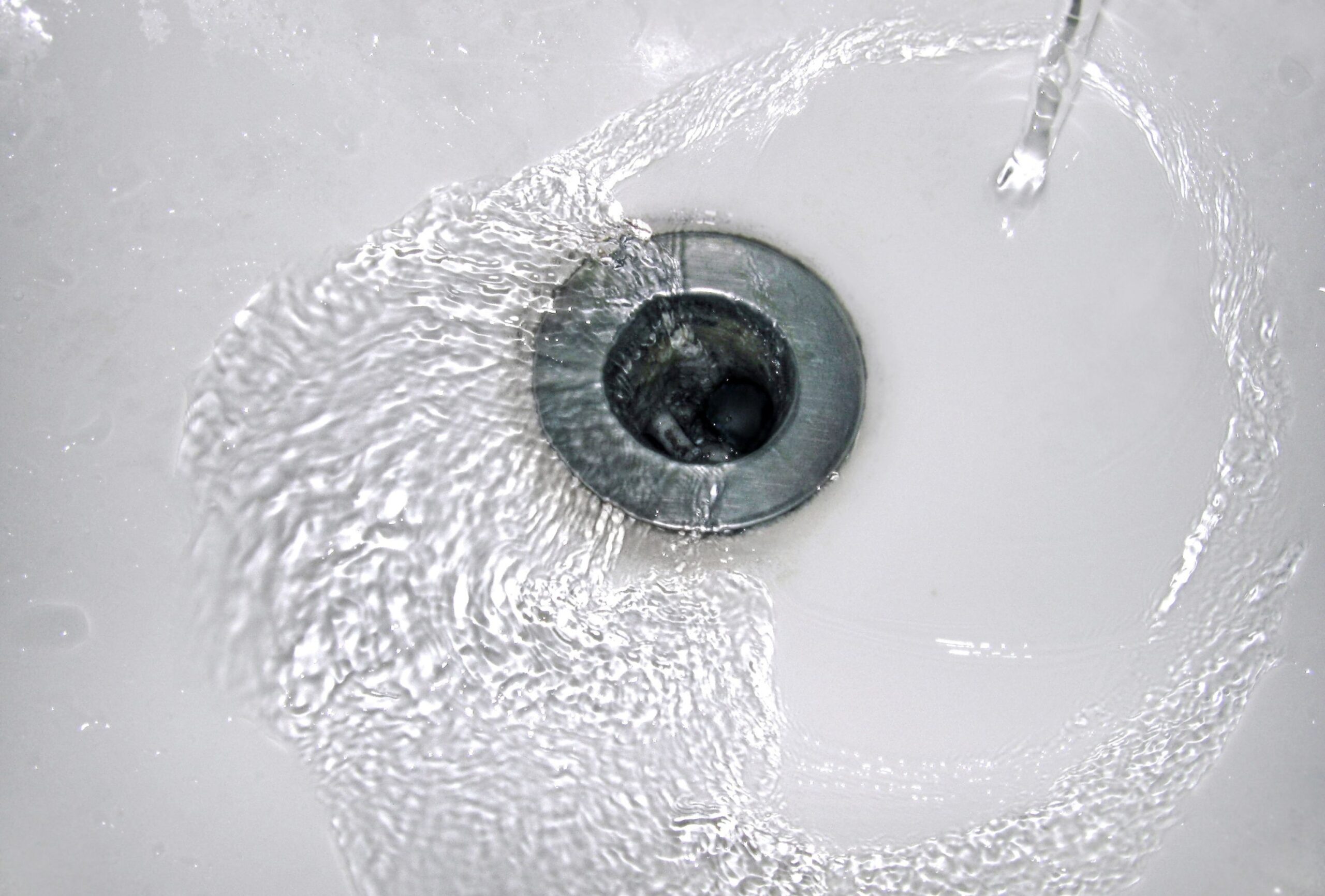
- Slow Draining Water: This is the most frequent and earliest blocked drain symptom. You will notice water lingering in sinks, showers, or tubs long after you have turned off the tap. A slow draining sink or shower is a clear sign that a partial obstruction is narrowing the pipe and restricting water flow. This often happens gradually, so pay attention if your shower takes just a few seconds longer to empty.
- Gurgling Drain Sounds: Pay attention to unusual gurgling or bubbling noises coming from your drains. These sounds often occur when you run a nearby fixture, like flushing a toilet while someone is showering. The gurgling drain sounds are caused by trapped air being forced past a blockage in the pipe, creating a distinctive noise as water struggles to pass.
- Foul Odors: If you notice a persistent, unpleasant sewage-like smell coming from your drains, it is a strong indicator of a clog. Food particles, grease, and other organic matter can get trapped in the pipe and begin to decompose, releasing smelly gases back into your home. These odors are not just unpleasant; they signal decaying organic material.
- Water Backing Up into Other Fixtures: This is a more severe blocked drain warning sign. For example, flushing a toilet might cause water to back up into the shower drain, or running the sink could affect the toilet bowl level. This crossover indicates a significant clog in a shared drain line, often pointing to a main drain blockage that impacts multiple points in your plumbing system.
- Toilets Not Flushing Properly: A toilet that has trouble flushing, needs multiple flushes to clear, or has a water level that rises high before slowly falling is a classic sign of a blockage. This could be a local clog in the toilet trap or a deeper issue further down the pipe, often requiring a blocked toilet plumber for correct diagnosis.
- Low-Level Fixtures Affected First: Problems that appear first in fixtures on the lowest floor of your home, such as a basement shower or a ground-floor toilet, often signal a problem far down the main sewer line. Gravity dictates that the lowest points in your system will experience the backup first when the main line is obstructed.
- Discolored Water or Leaks: In some cases, a severe blockage in a clogged plumbing line can create enough backpressure to cause wastewater to appear discolored or even leak into fixtures like bathtubs or even from pipe joints. This indicates significant strain on your plumbing and requires immediate attention to prevent water damage.
- Washing Machine Drainage Issues: If running your washing machine causes water to back up in a shower, an adjacent sink, or makes a toilet overflow, this is a strong sign you need sewer drain cleaning services. The large volume of water from the washer is too much for the blocked line to handle, indicating a substantial obstruction.
- Multiple Fixtures Clogged Simultaneously: This is the most definitive sign of a main drain blockage. If your sinks, showers, and toilets all start draining slowly or backing up at the same time, the main sewer line connecting your property to the municipal system is obstructed. This is an urgent situation that demands professional intervention.
Why Drains Block: Common Culprits and Underlying Issues
Understanding the common blocked drain causes is the first step toward prevention. Most blockages are not sudden events but rather the result of gradual accumulation over weeks, months, or even years. From everyday habits to external factors, here are the primary reasons you might need clogged drain repair.
“A wise homeowner once told me, ‘Preventing clogs isn’t rocket science; it’s about being mindful of what goes down your drain.’ This simple approach can save countless plumbing troubles.”
Common household blockages often stem from:
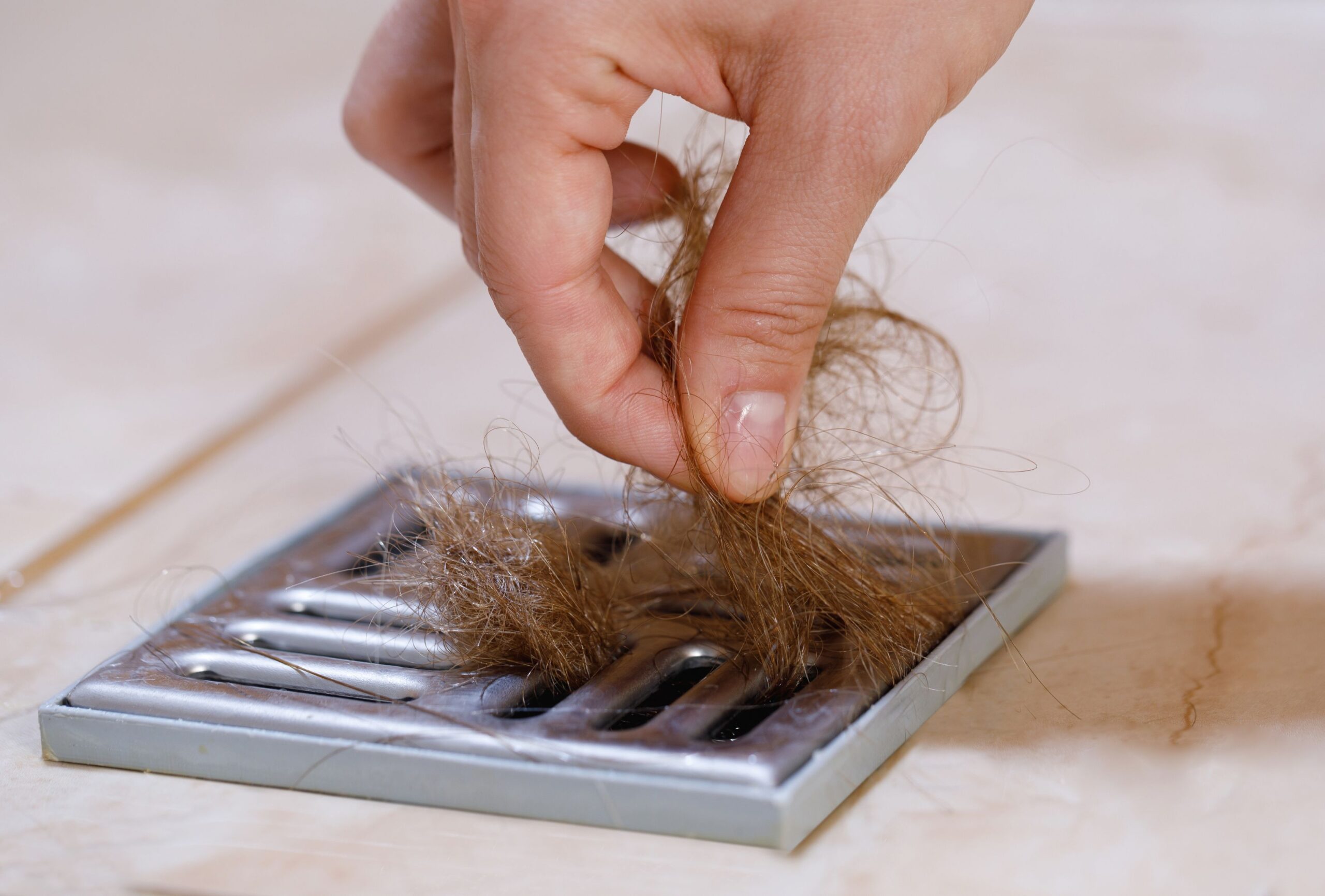
- Hair and Soap Scum: These are the top culprits in bathroom drains. Hair strands easily tangle together, creating a net that catches soap residue, conditioner, and other debris. This combination forms a dense, sticky mat that is difficult for water to pass through, particularly in shower and bathtub drains.
- Grease and Food Particles: In the kitchen, grease is the main offender. Cooking oils, fats, and greasy food residue solidify as they cool inside your pipes. This hardened grease creates a sticky coating on the pipe walls, trapping food particles, coffee grounds, and starchy food waste (like pasta or rice), which quickly builds into a tough blockage.
- Foreign Objects: Flushing inappropriate items down the toilet is a major cause of blockages. Items often marketed as “flushable,” such as wipes, do not break down like toilet paper and create serious obstructions in a clogged plumbing line. Paper towels, cotton swabs, dental floss, feminine hygiene products, and even small toys are also common culprits that should always be disposed of in the trash.
Beyond these common household issues, more complex problems can arise. In areas with hard water, mineral deposits like limescale can build up inside pipes, narrowing the passage over time and reducing water flow. For outdoor sewer lines, tree root intrusion is a significant problem. Roots seeking moisture can work their way into tiny cracks in pipes, growing into large masses that cause a main drain blockage and damage the pipe’s integrity. Lastly, external factors like ground movement from nearby construction or natural shifts can cause pipes to sag or crack, creating low spots where waste collects and causes recurring clogs.
First Line of Defense: DIY Solutions for Minor Blockages
When you first notice blocked drain symptoms, you do not always need to immediately call for help. For minor clogs, there are several simple and effective DIY approaches you can try. These methods use common household items and can often resolve the issue before it worsens.
“Many minor drain issues can be resolved with a bit of patience and common household items. But remember, knowing when to call a professional is just as important as knowing how to use a plunger.”
- Boiling Hot Water: For clogs caused by grease or soap scum, this is the easiest first step. Carefully pour a full kettle of boiling water directly down the drain. The heat can help melt and dissolve the buildup, allowing it to be flushed away. Caution: Avoid using boiling water in drains with PVC pipes, as extreme heat can damage them. Instead, use very hot tap water.
- Baking Soda and Vinegar: This classic combination creates a chemical reaction that can break down gunk and debris. Pour about a cup of baking soda down the drain, followed by a cup of white vinegar. Let the mixture fizz and work for 15-30 minutes, then flush with hot water. The fizzing action helps dislodge and break apart the clog.
- Salt and Hot Water: The abrasive texture of coarse salt can help scour the inside of your pipes. Pour about half a cup of salt down the drain, followed by hot water. Let it sit for a few minutes before flushing thoroughly. The salt helps scrape away buildup as it dissolves.
- Using a Plunger: A plunger is a powerful tool for creating pressure and suction to dislodge clogs. Make sure you have a good seal around the drain (covering any overflow holes with a wet cloth helps) and plunge vigorously for about 30 seconds. A cup-style plunger works well for sinks, while a flange plunger is best for toilets. This is a great first step when you need to unblock drains near me.
- Cleaning the P-trap: The U-shaped pipe under your sink is a common spot for debris to collect. Place a bucket underneath to catch any water, carefully unscrew the trap, and clean out any trapped hair, food particles, or gunk. Be sure to reassemble it tightly to prevent leaks.
- Garbage Disposal Troubleshooting: If your kitchen sink is blocked, check the garbage disposal. Always unplug the unit first for safety. Use an Allen wrench (usually found with the disposal) to manually turn the blades from the bottom or use pliers to remove any visible obstructions like cutlery or fruit pits.
While these methods are useful, it is important to know when to stop. Avoid using harsh chemical drain cleaners, as they can damage your pipes over time and pose environmental risks. If these DIY attempts do not work, it is a sign that the problem is more serious and requires professional attention.
Beyond DIY: When to Call the Professionals for Your Blocked Drain
While DIY methods can handle minor clogs, certain situations demand the expertise and tools of a professional plumber. Attempting to fix a serious blockage yourself can worsen the problem or even create a health hazard. Knowing when to call for help is important for protecting your property.
You should contact a professional if you experience persistent or recurring clogs. If a drain keeps blocking up shortly after you have cleared it, it points to a deeper issue that DIY methods cannot reach. The most critical time to call is when you see signs of a main sewer line clog, such as multiple drains clogged at once or raw sewage backing up into your home. Dealing with raw sewage is a health risk and should only be handled by a professional blocked sink plumber or blocked toilet plumber.
“When it comes to your main sewer line, professional attention isn’t just a convenience; it is a necessity for health and safety. Don’t gamble with potential raw sewage exposure.”
Professionals have specialized equipment that is far more effective than anything available to homeowners. This includes hydrojetters, which use high-pressure water to blast away stubborn buildup, and motorized augers that can reach deep into sewer lines to break through tough obstructions. They also use sewer cameras to perform a video inspection, allowing them to pinpoint the exact location and cause of the blockage without any guesswork, ensuring a precise and lasting repair.
At MJP Plumbing, we understand the urgency and seriousness of a blocked drain. Our commitment is to get the job done right the first time, providing reliable and lasting repairs. Sunshine Coast clients benefit from our personalized service, working with the same trusted professional who understands their specific plumbing needs. Our experience with complex commercial projects means we have the skill to handle any residential or business clogged drain repair near me, restoring your plumbing system safely and efficiently.
Proactive Plumbing: Essential Preventative Measures
The best way to deal with a blocked drain is to prevent it from happening in the first place. By adopting a few simple habits and performing regular maintenance, you can keep your pipes clear and avoid the stress and expense of an emergency repair.
“An ounce of prevention is worth a pound of cure, especially in plumbing. A little routine care goes a long way in keeping your pipes clear and your home healthy.”
Start in the kitchen with conscious waste disposal. Never pour cooking grease, oils, or fats down the drain. Instead, collect them in a container, let them solidify, and throw them in the trash. Similarly, coffee grounds should go in the compost or garbage, as they clump together and form dense sludge in your pipes. When using a garbage disposal, always run plenty of cold water, both before and after use, and avoid overloading it with fibrous or starchy foods like celery, potato peels, or pasta.
In the bathroom, establish clear “toilet rules.” The only things that should ever be flushed are human waste and toilet paper. So-called “flushable” wipes, paper towels, cotton balls, dental floss, and other products are primary blocked drain causes and belong in a trash can. To prevent hair and soap scum buildup, install inexpensive drain screens or hair catchers in your showers and sinks, and be sure to clean them regularly to prevent accumulation.
A simple monthly maintenance routine can also make a big difference. Pour a mixture of baking soda and vinegar down your drains, let it sit for about 30 minutes, and then flush with hot water to break down minor buildup. For homeowners with older plumbing or properties with large trees near the sewer line, a periodic professional inspection using camera technology can identify potential drain blockage signs before they become major problems, allowing for targeted preventative action.
Conclusion
Recognising the early blocked drain warning signs is your best defense against a plumbing emergency. Slow drains, strange noises, and unpleasant odors are not minor issues to be ignored—they are clear signals that a blockage is forming. By acting on these clues promptly, you can often prevent a small problem from escalating into a costly and damaging flood.
Simple DIY efforts can resolve minor clogs, but it is equally important to understand when a problem requires professional help. For persistent, widespread, or hazardous blockages, calling an expert is the safest and most effective choice. Proactive preventative maintenance and responsible waste disposal are the keys to a healthy, free-flowing plumbing system. For reliable and expert drainage cleaning services or any plumbing needs on the Sunshine Coast, contact MJP Plumbing for personalized, quality support you can trust.
Need Help With a Blocked Drain on the Sunshine Coast?
If you notice slow drains, foul smells, or water backing up, it’s time to act before the problem gets worse.
MJP Plumbing provides fast, reliable blocked drain services across the Sunshine Coast. Our team uses advanced tools like drain cameras and hydro-jetting to locate and clear blockages quickly and safely.
👉 Contact MJP Plumbing today for expert drain cleaning and dependable plumbing solutions.
FAQs
Question: How Often Should I Perform Preventative Drain Maintenance?
For all drains, a natural cleaning with baking soda and vinegar is recommended monthly. You should clean drain screens and hair catchers weekly or bi-weekly. For older homes or properties prone to main drain blockage, consider professional inspections annually or every few years to catch blocked drain symptoms early and address potential issues before they cause significant problems.
Question: Can a Main Drain Blockage Affect All My Plumbing Fixtures?
Yes, a main drain blockage is a common reason for multiple drains clogged at once. When the main sewer pipe for your property is obstructed, wastewater has nowhere to go and will back up into the lowest available drains throughout your home, affecting toilets, showers, and sinks simultaneously. This is a serious problem that usually requires immediate professional intervention.